
When a hospital can't be a place of healing
Three years of shortages, improvisation and impossible choices
When a hospital can't be a place of healing
Three years of shortages, improvisation and impossible choices
Israel has attacked nearly all of Gaza’s healthcare facilities in its genocidal war, and blocked medicines and medical equipment from entering.
Three years on, 94 percent of the enclave’s healthcare facilities are fully or partially out of service, according to the UN Office for the Coordination of Humanitarian Affairs (OCHA).
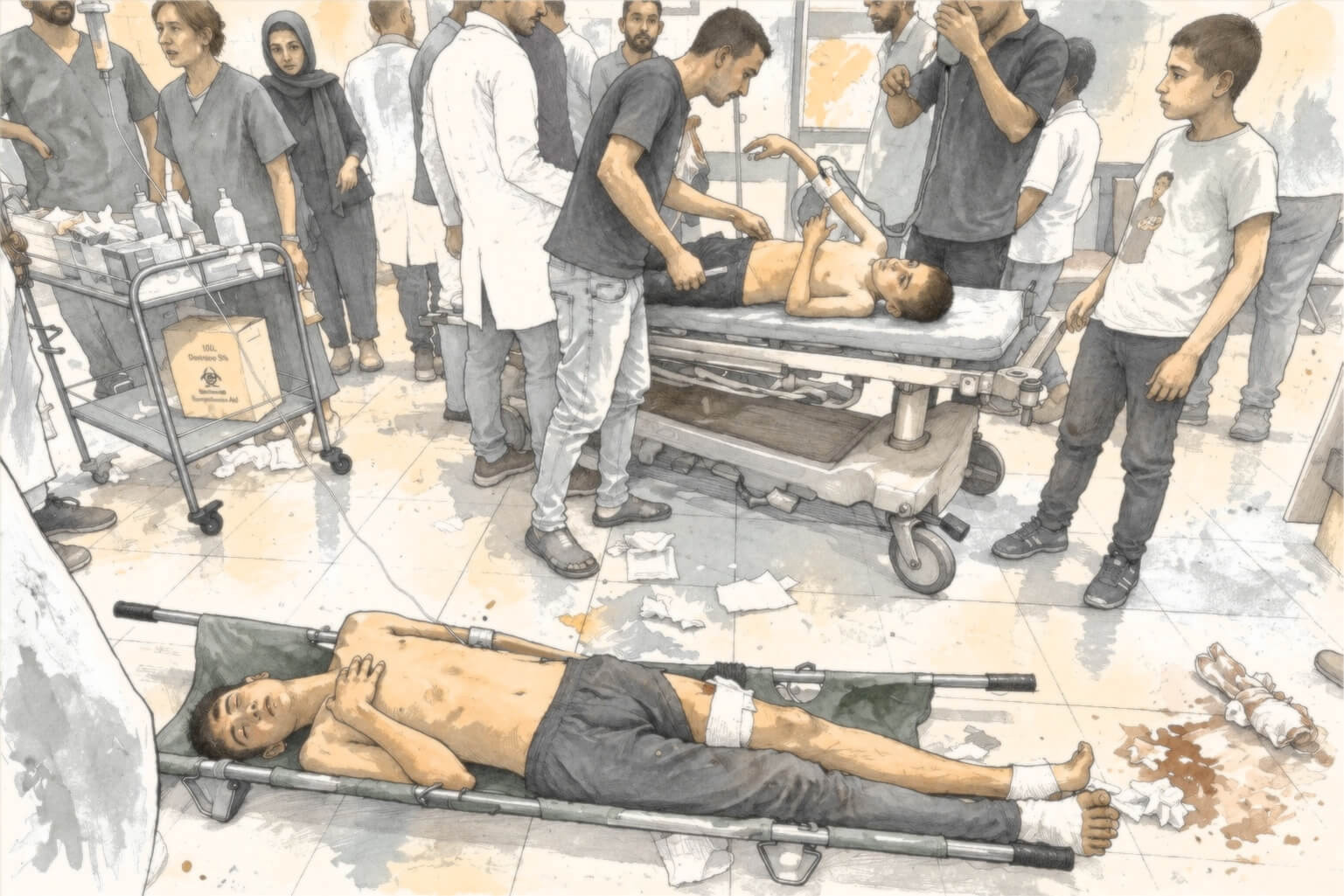
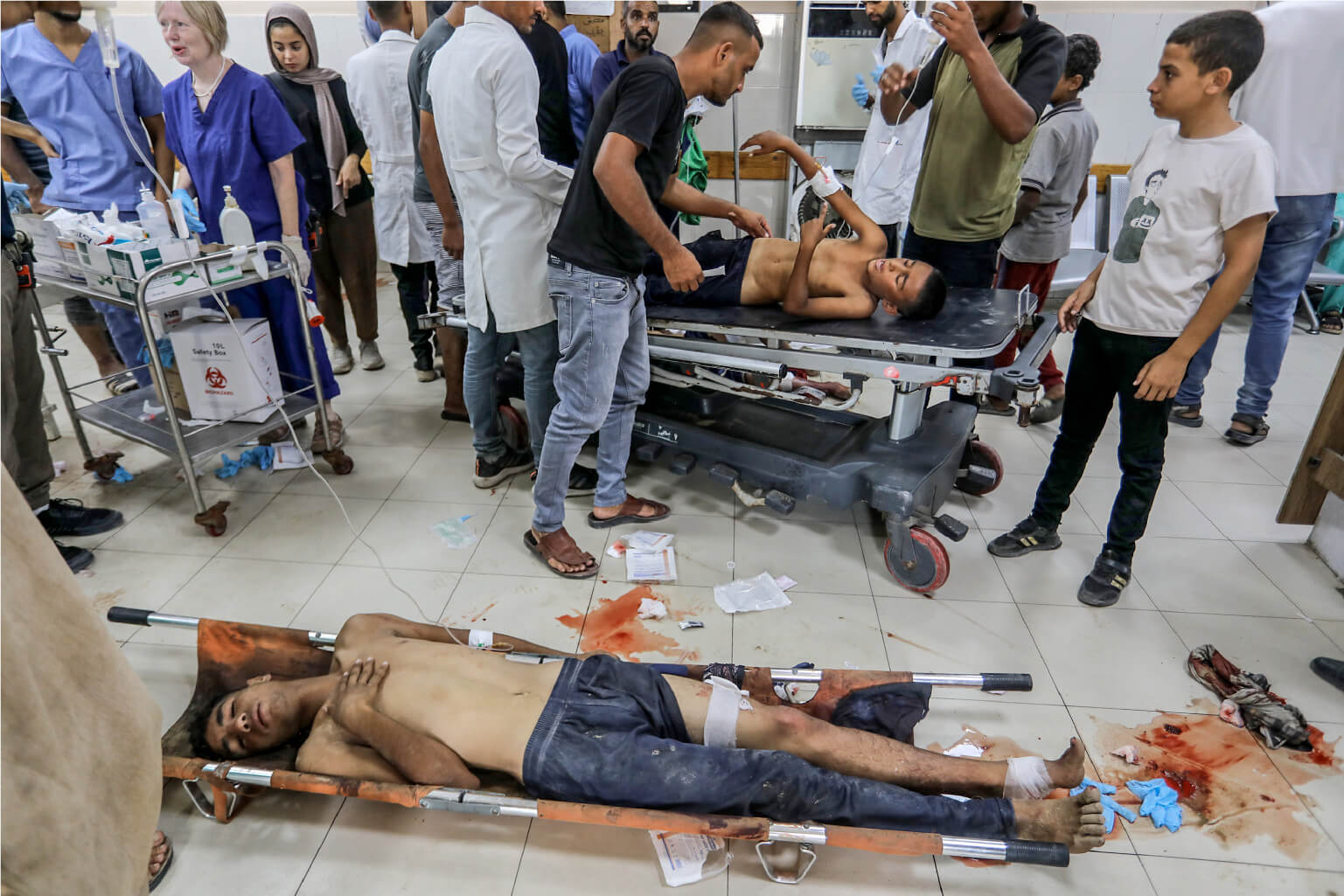
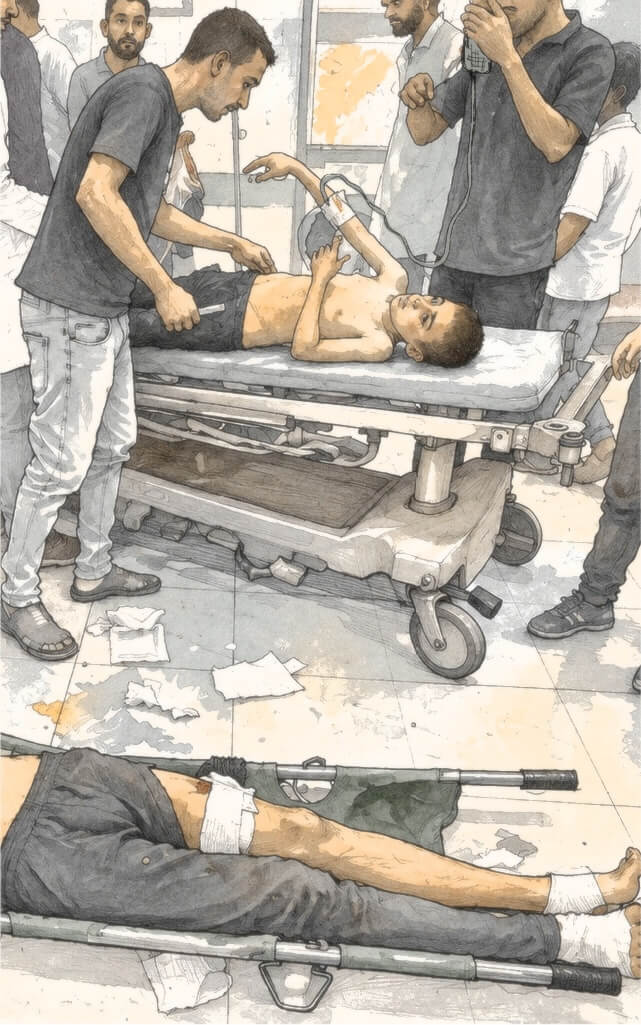
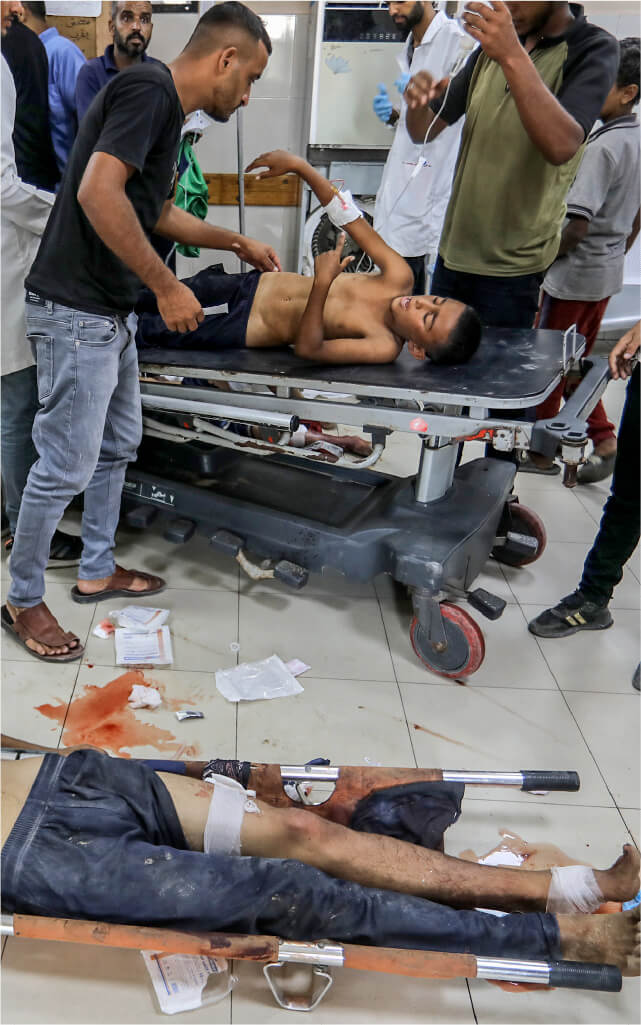
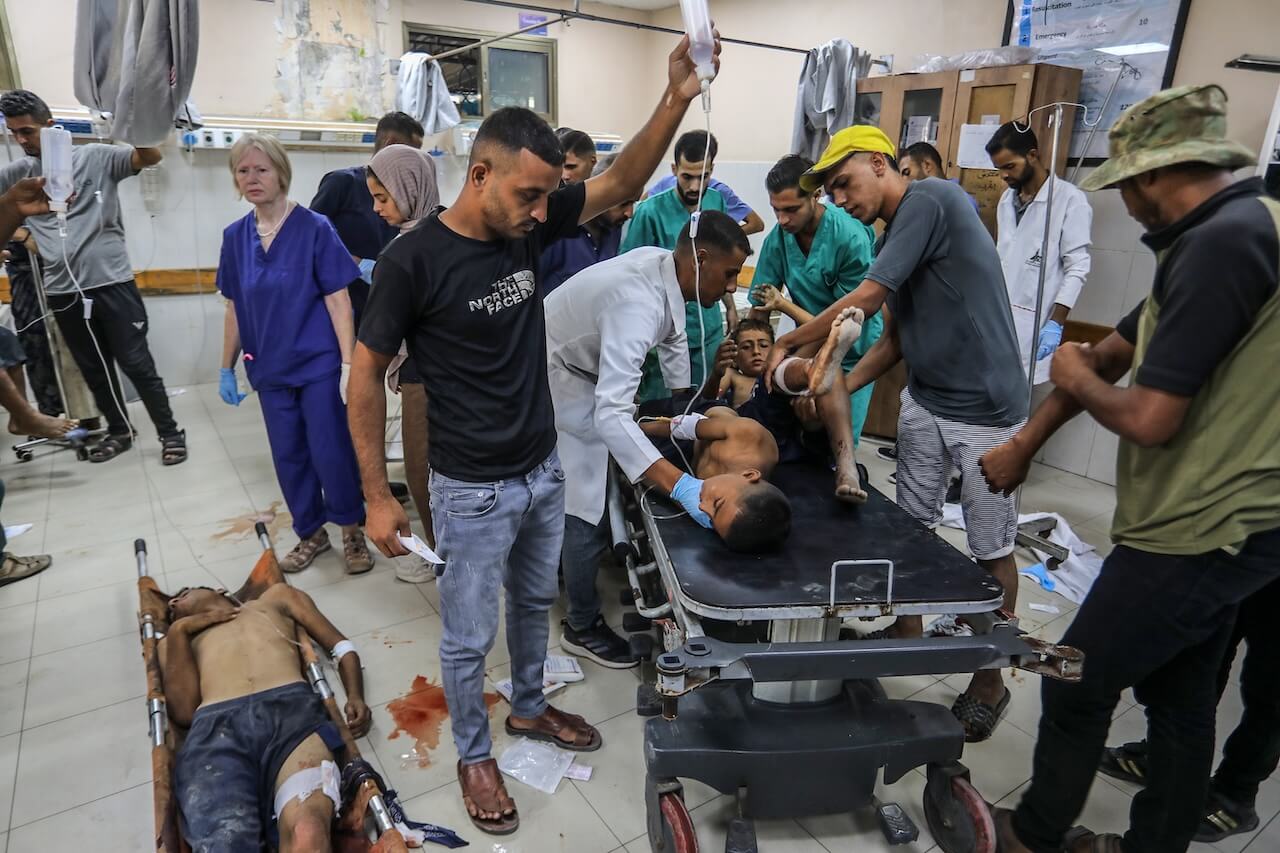
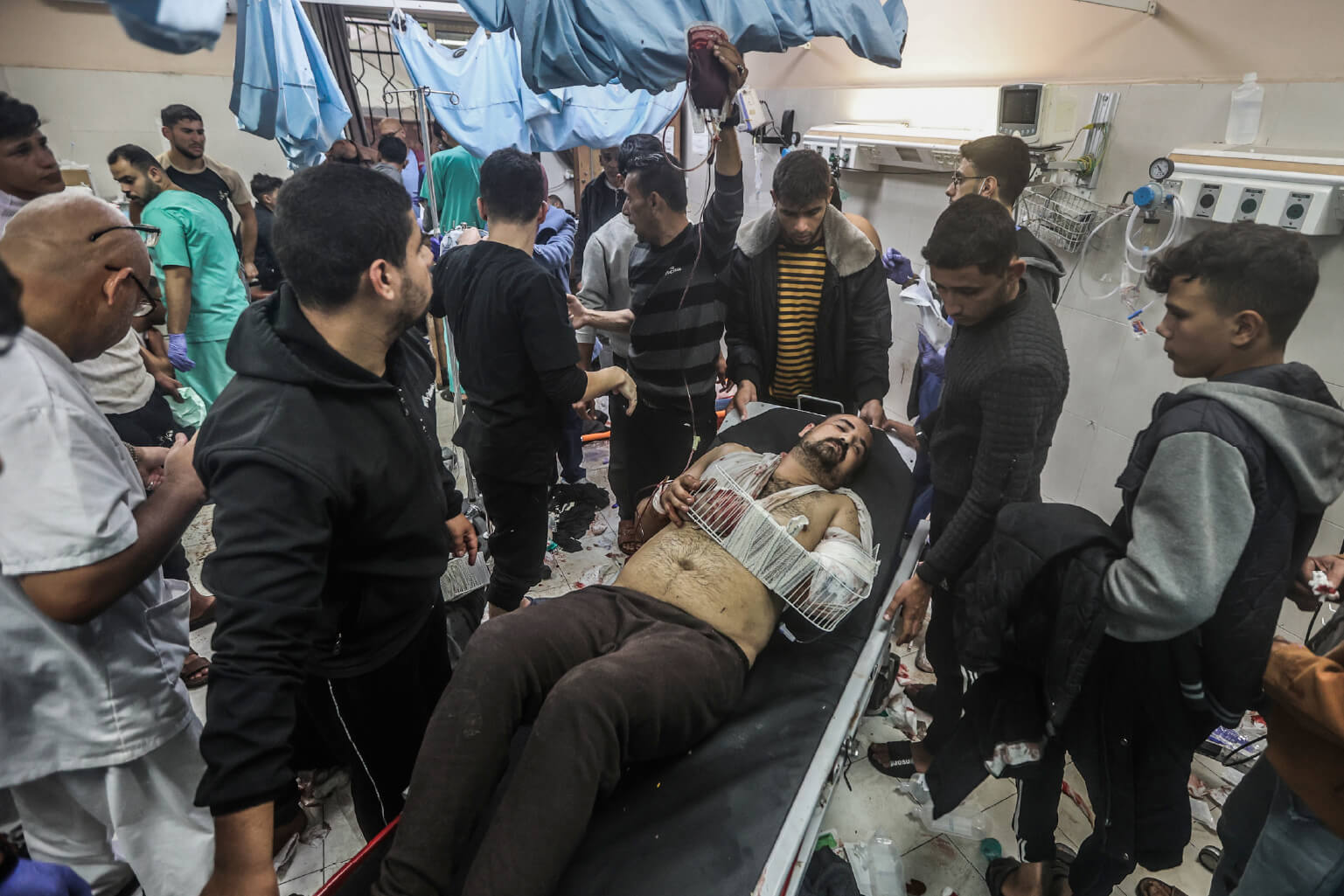
When mass-casualty events hit, this is what a hospital emergency room (ER) looked like.
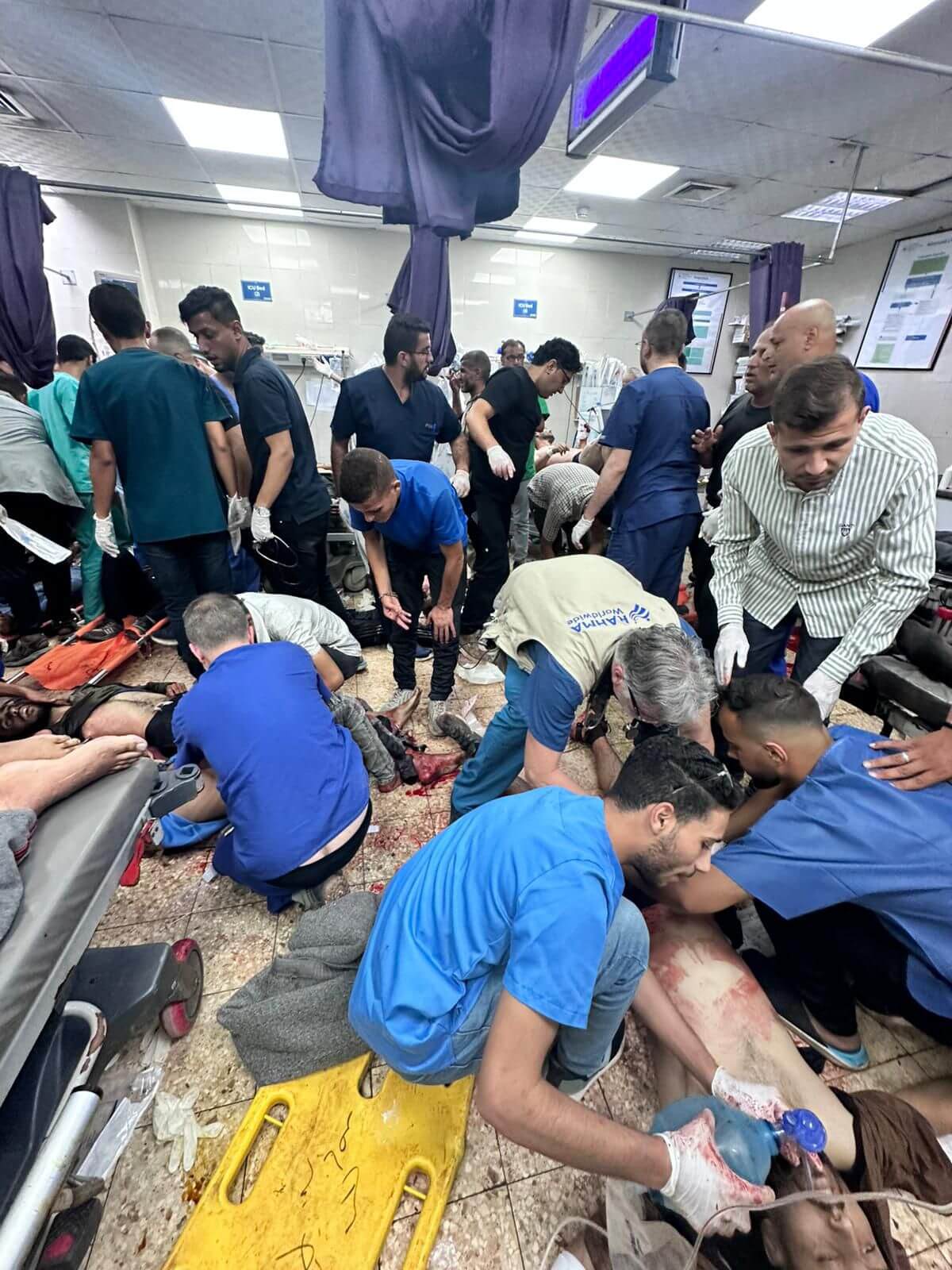
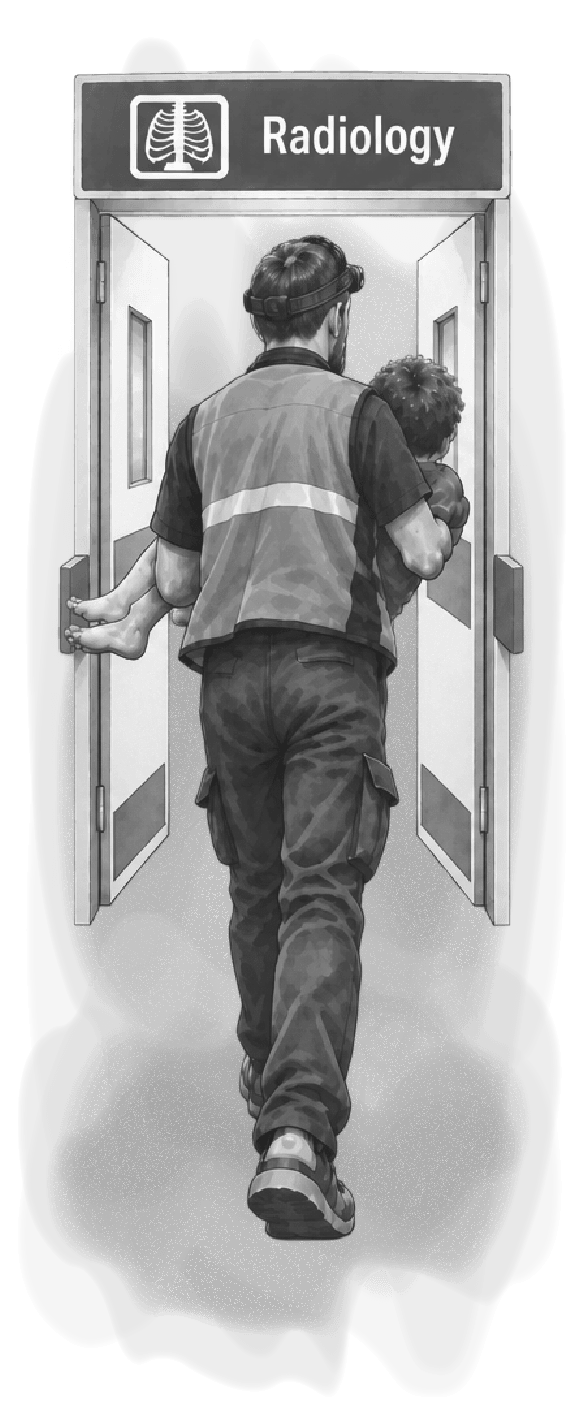
Israel also bombed ambulances, so rescuers and civilians had to bring the wounded in by car or animal cart, bundled in their arms because there were no stretchers.
Al Jazeera spoke to doctors who have worked in Gaza to compare its hospitals with how they should be equipped.
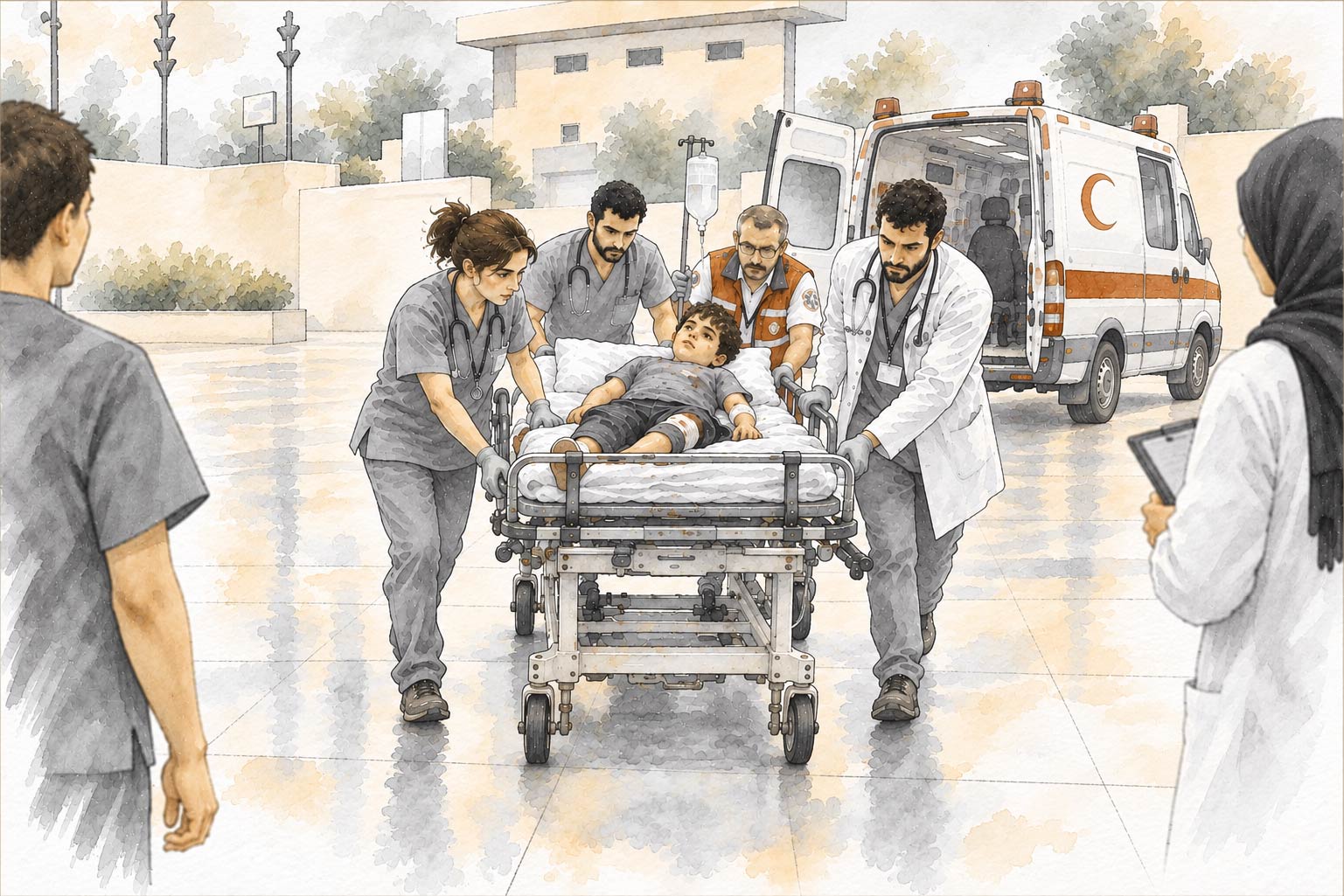
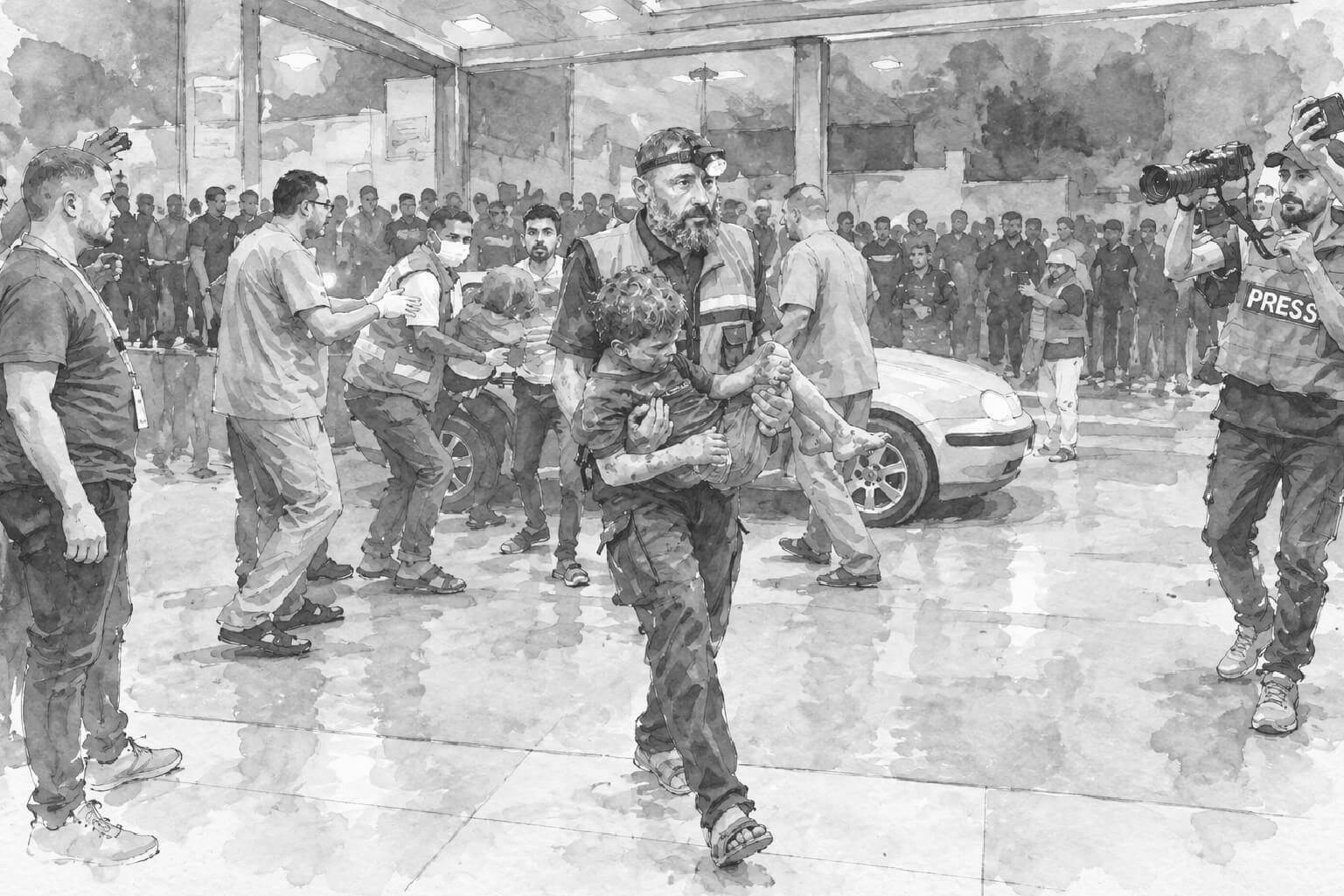
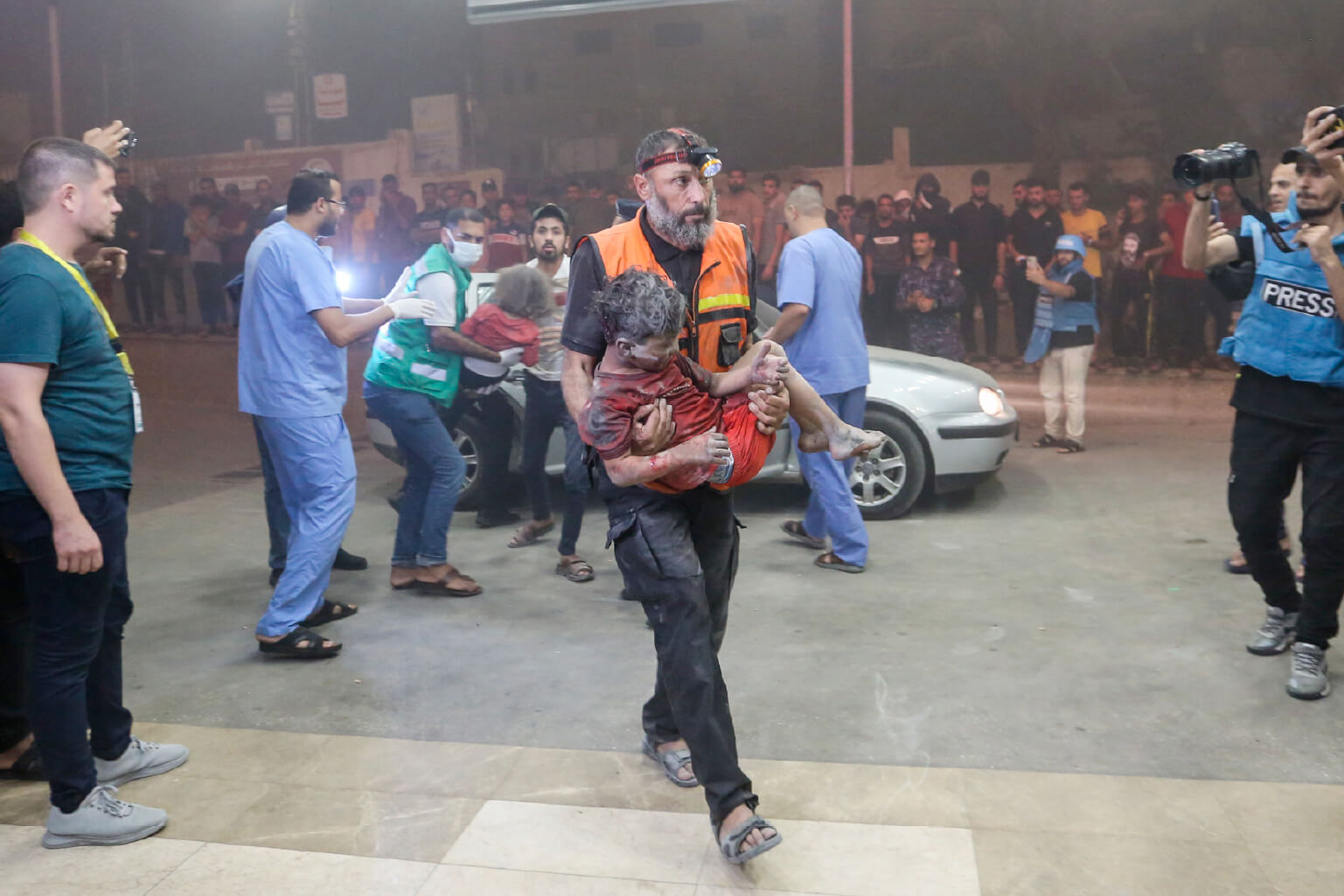
Even in the emergency room, only the lucky got a gurney or bed.
Dr Adil Husain, an emergency physician who volunteered in Gaza, describes a 12-year-old boy who had been shot in the head and had to be treated on the floor.
That boy was one of many. Follow the journey of a child wounded in an Israeli bombing through a Gaza hospital, starting in the emergency room.
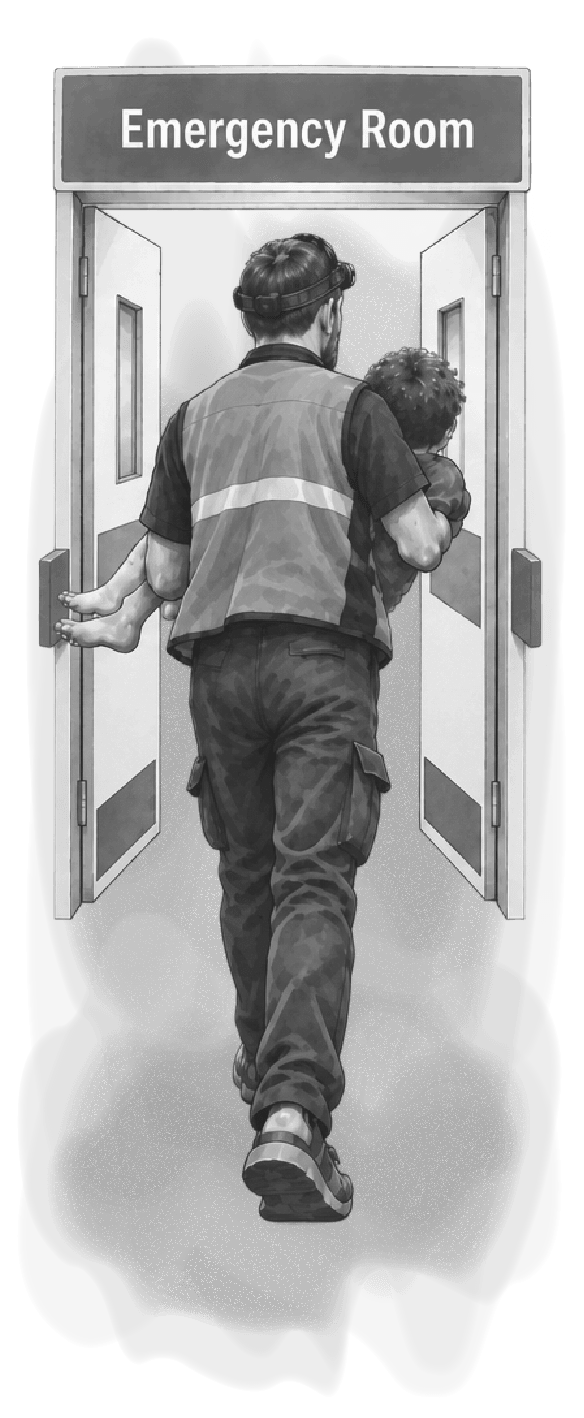
Nasser Hospital
Emergency room
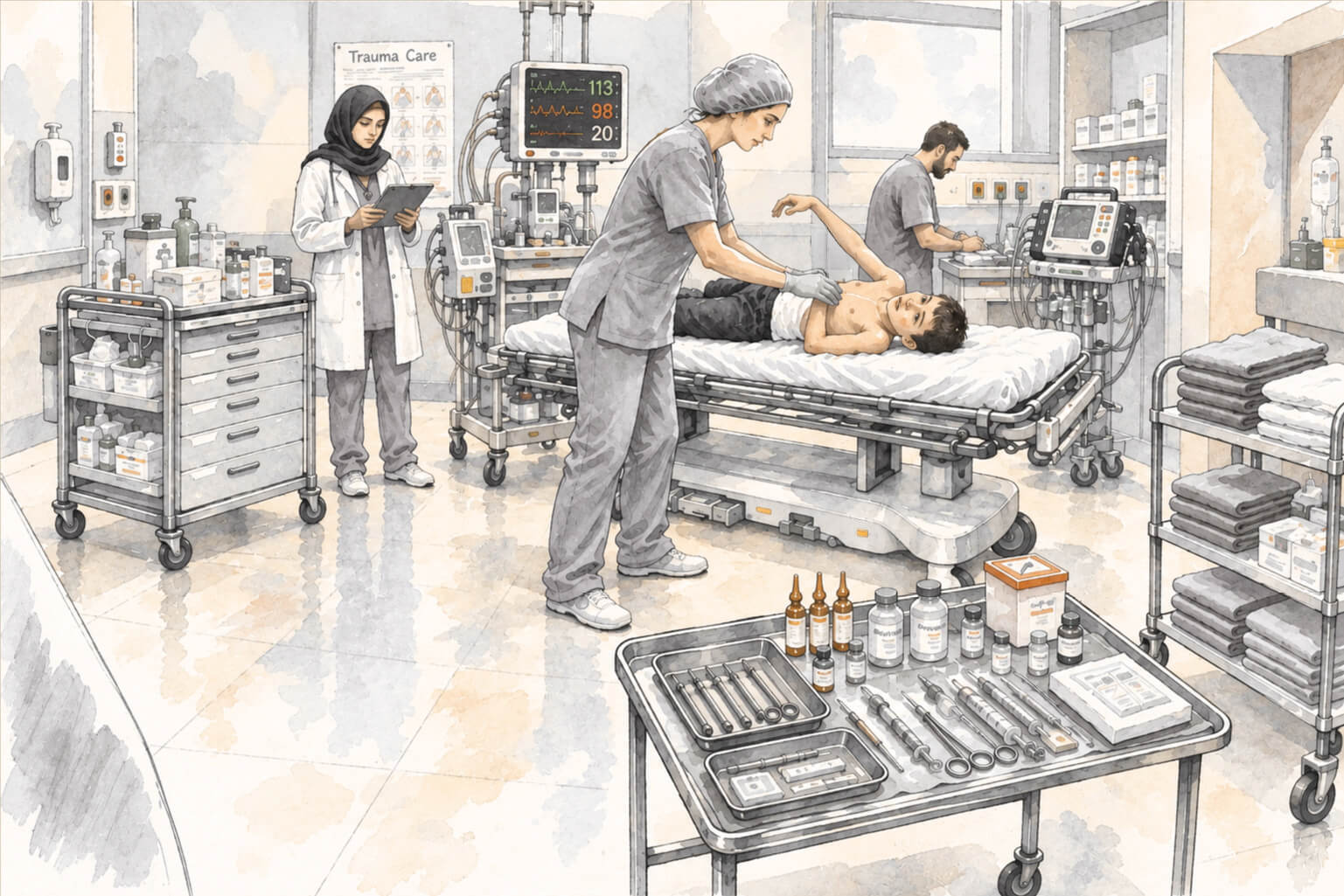
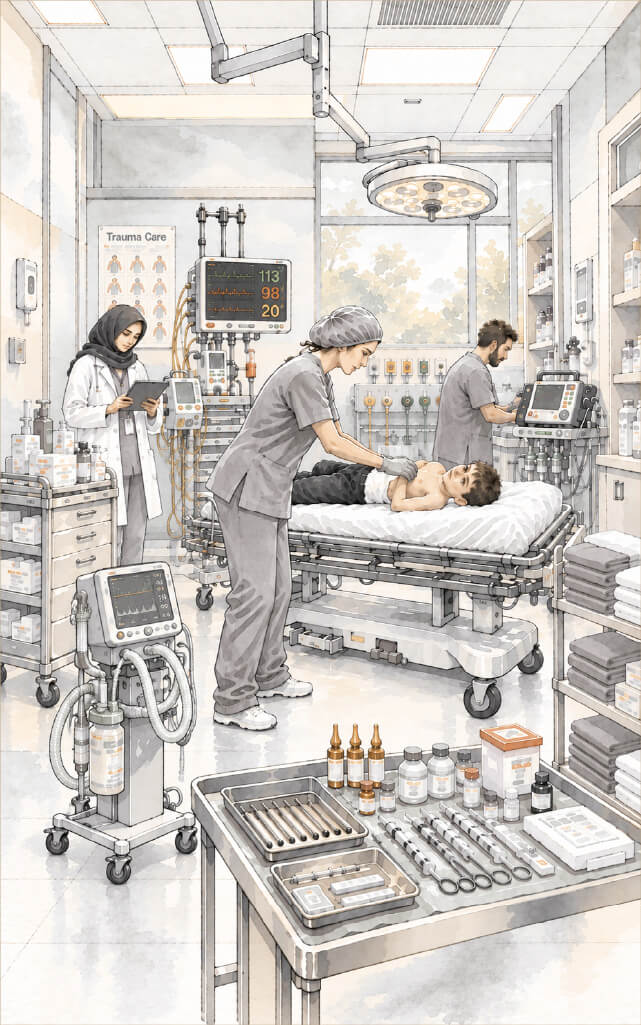
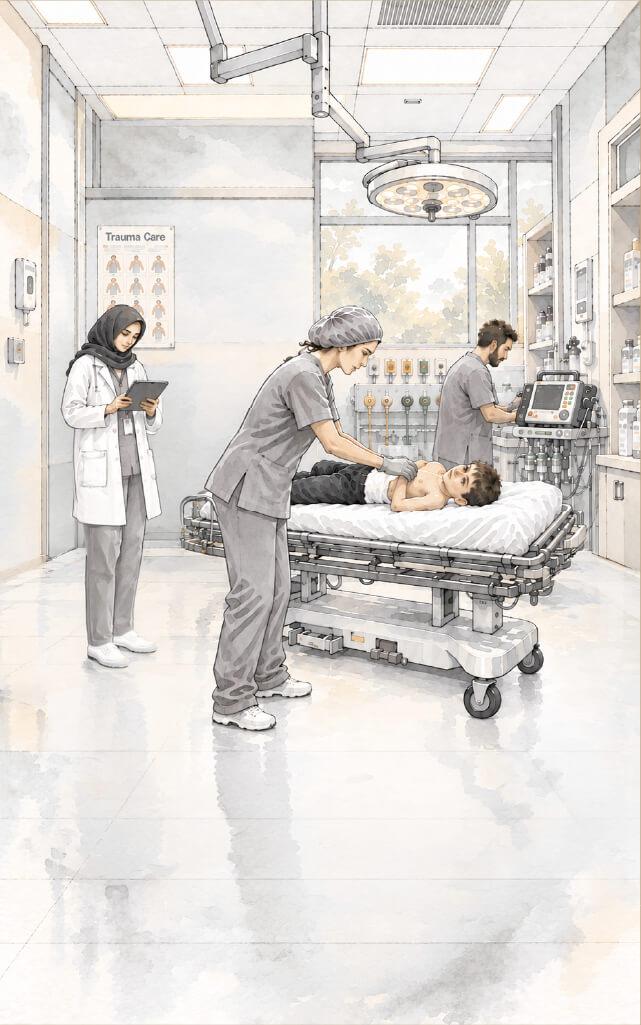
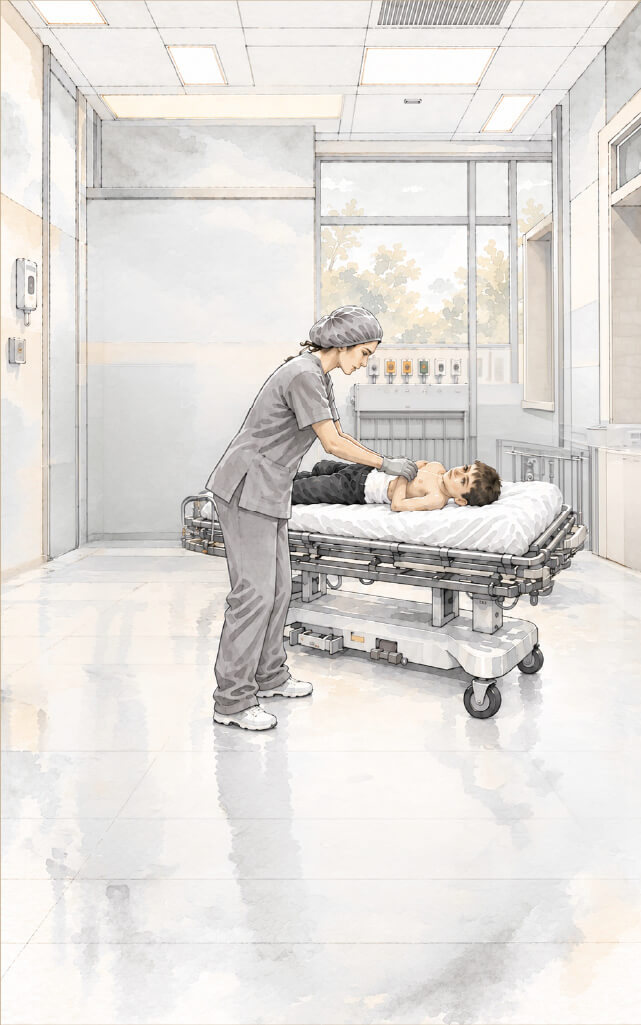
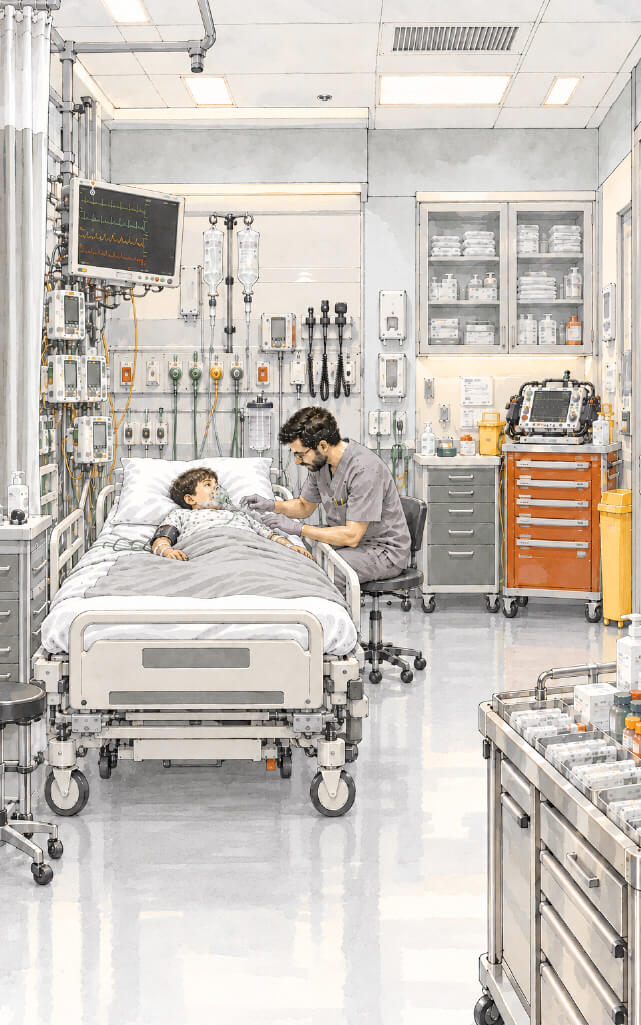
What a fully equipped emergency room should contain
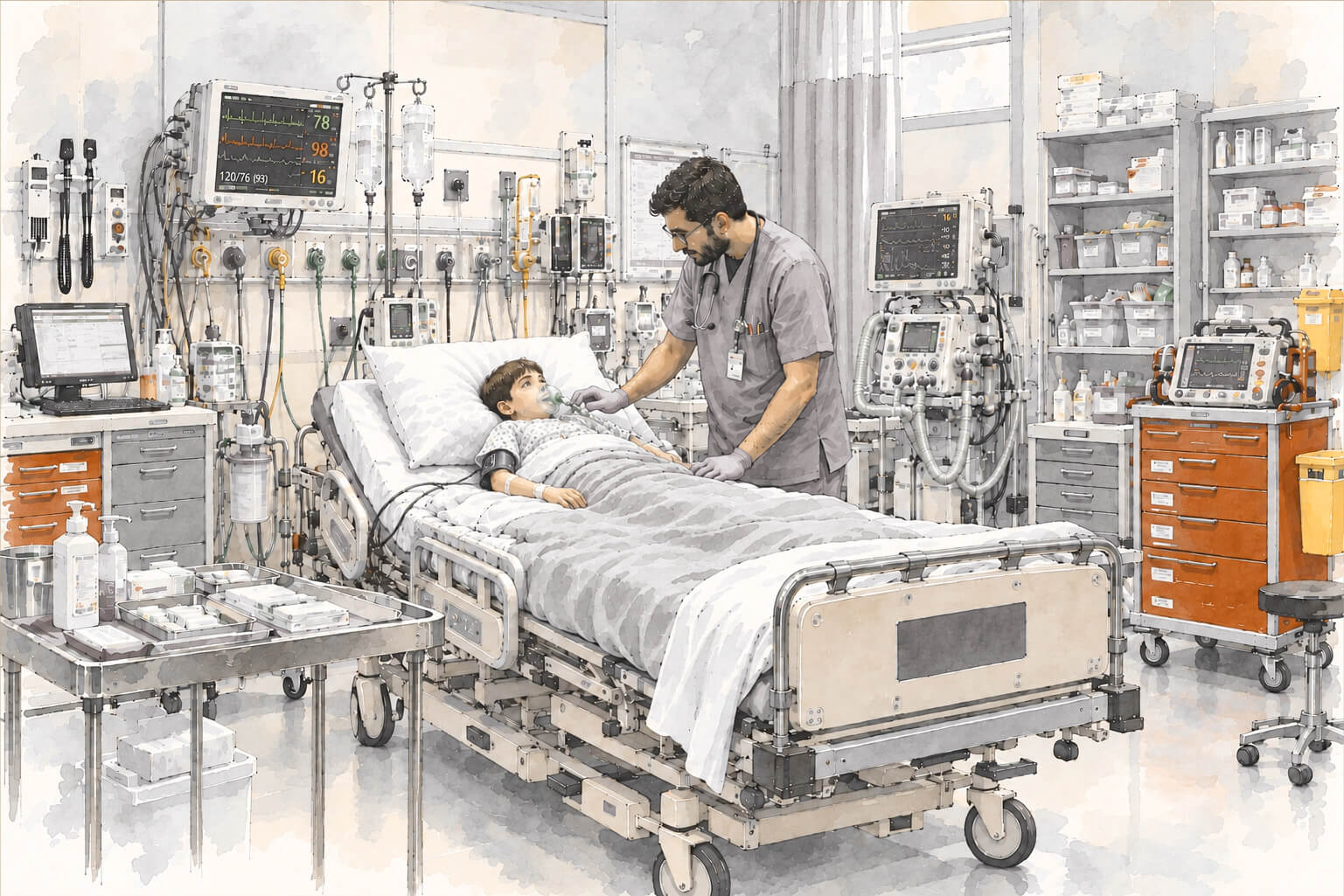
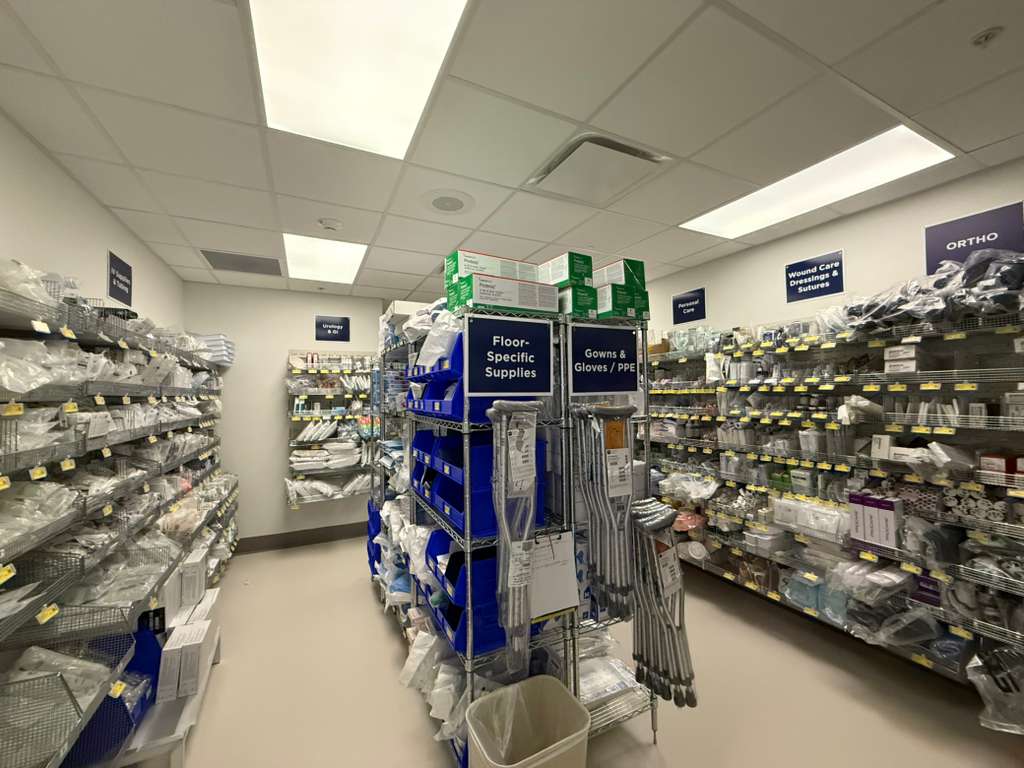
This is what an emergency room supply closet looks like in a hospital in the United States, Israel's biggest ally. Things are available in multiples, sterile and packaged, ready to use.
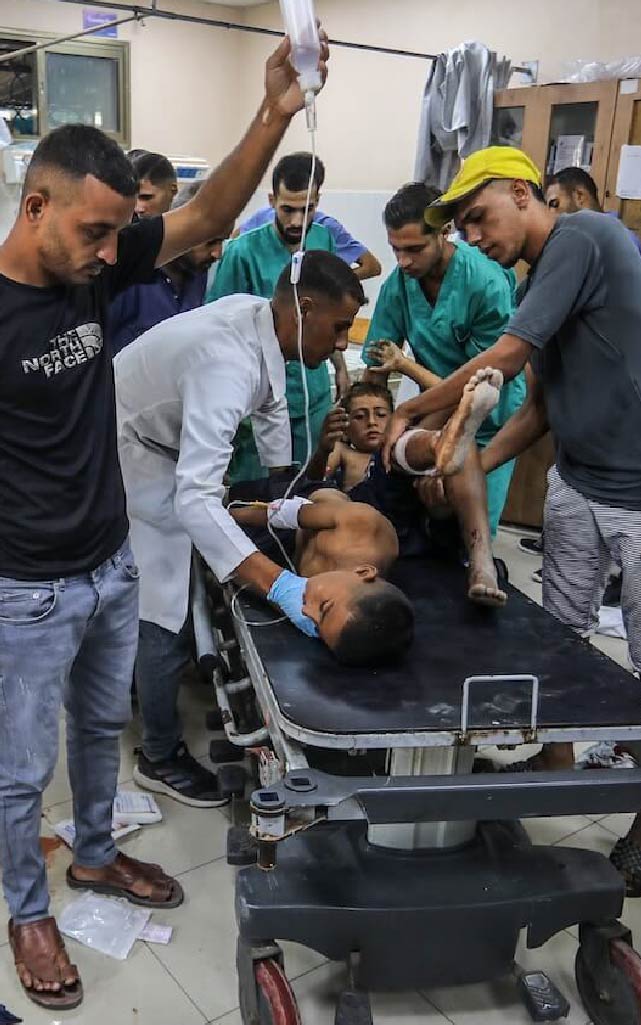
Gaza's emergency rooms lack the most basic things. Like rapid infusion pumps, which can deliver blood or fluids quickly to a badly injured person.
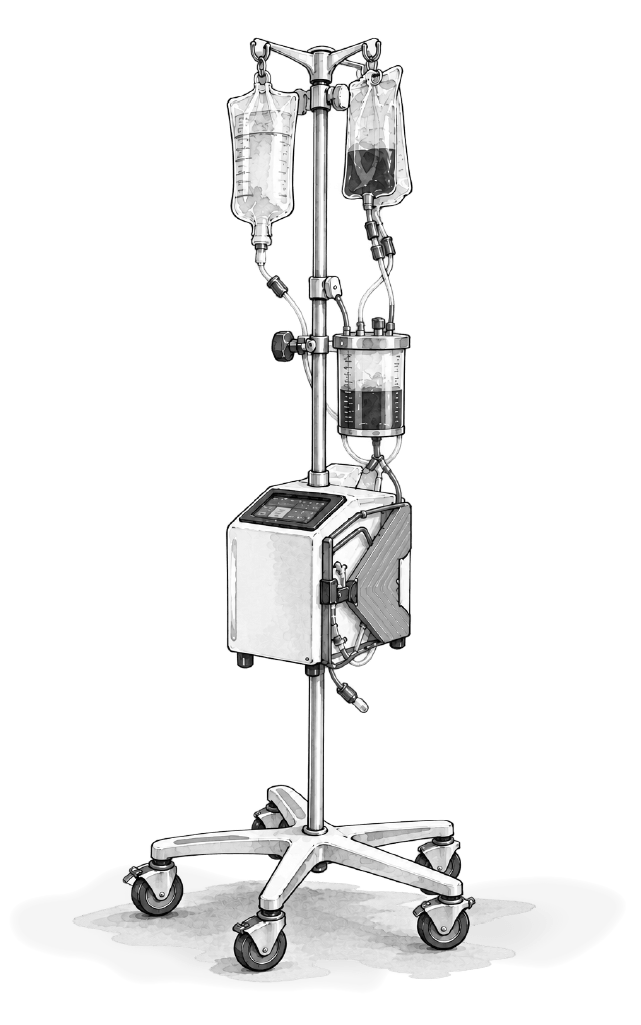
So someone has to stand holding the IV bag up high, squeezing it to try to get the fluids moving faster into the injured person.
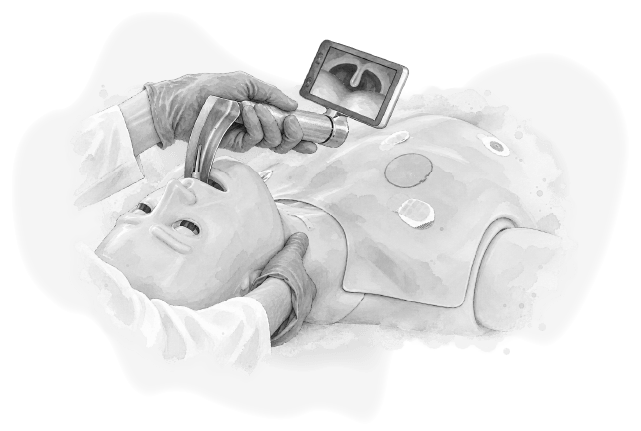
Like laryngoscopes, which doctors would need to see into the child's throat if their breathing is obstructed, to guide intubation.
Doctors were left with little to nothing to help them deal with situations that would bring any other ER to a standstill.
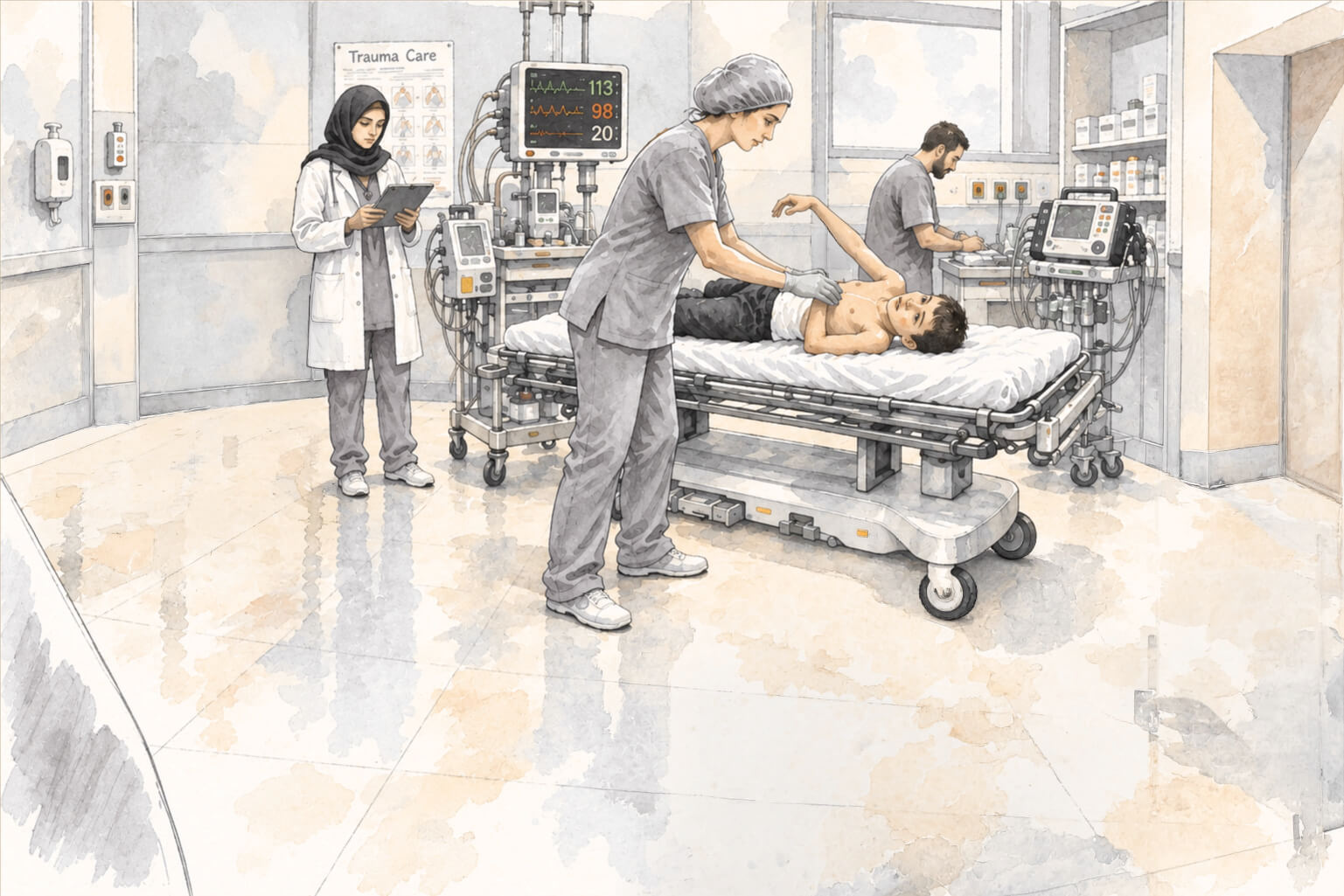
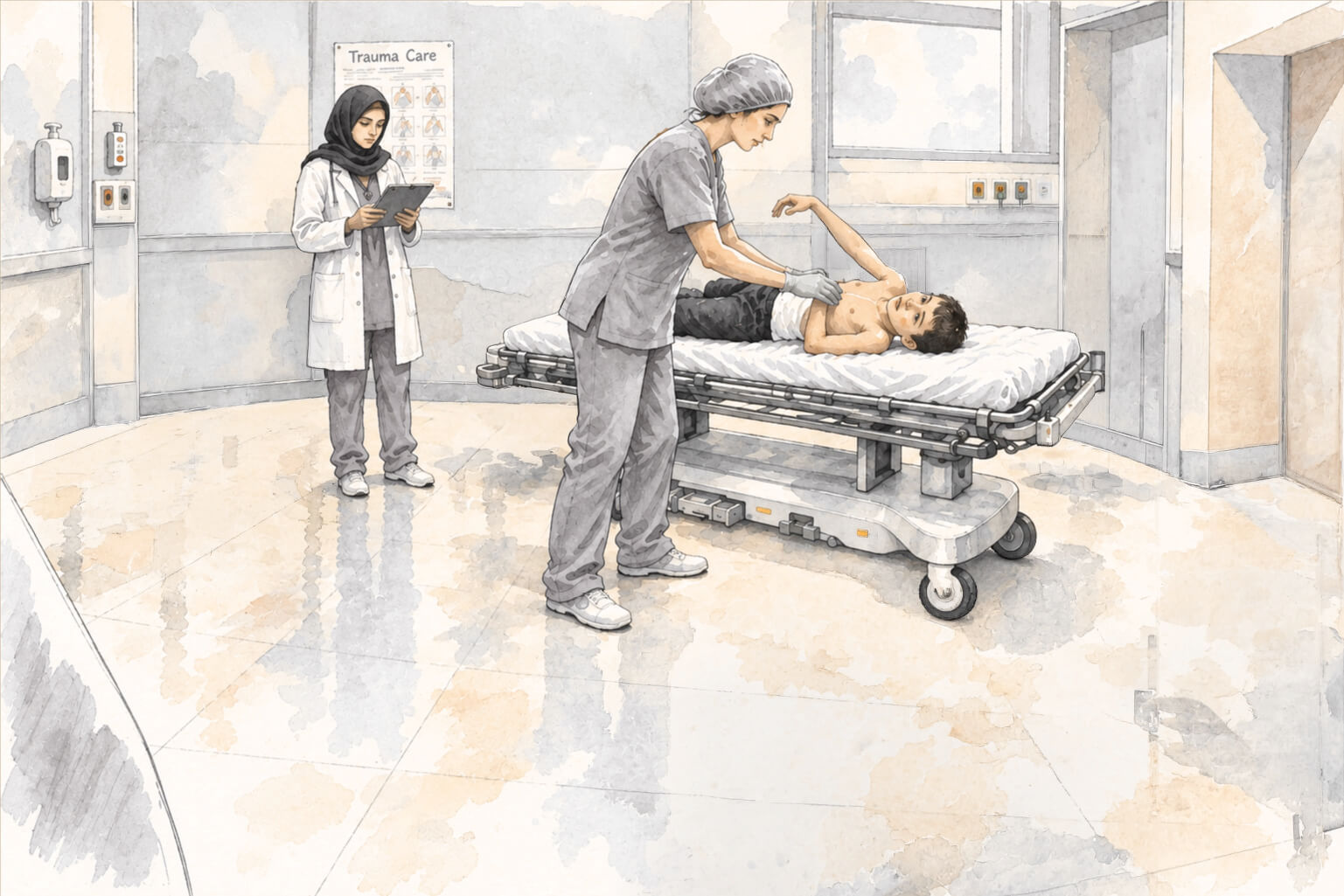
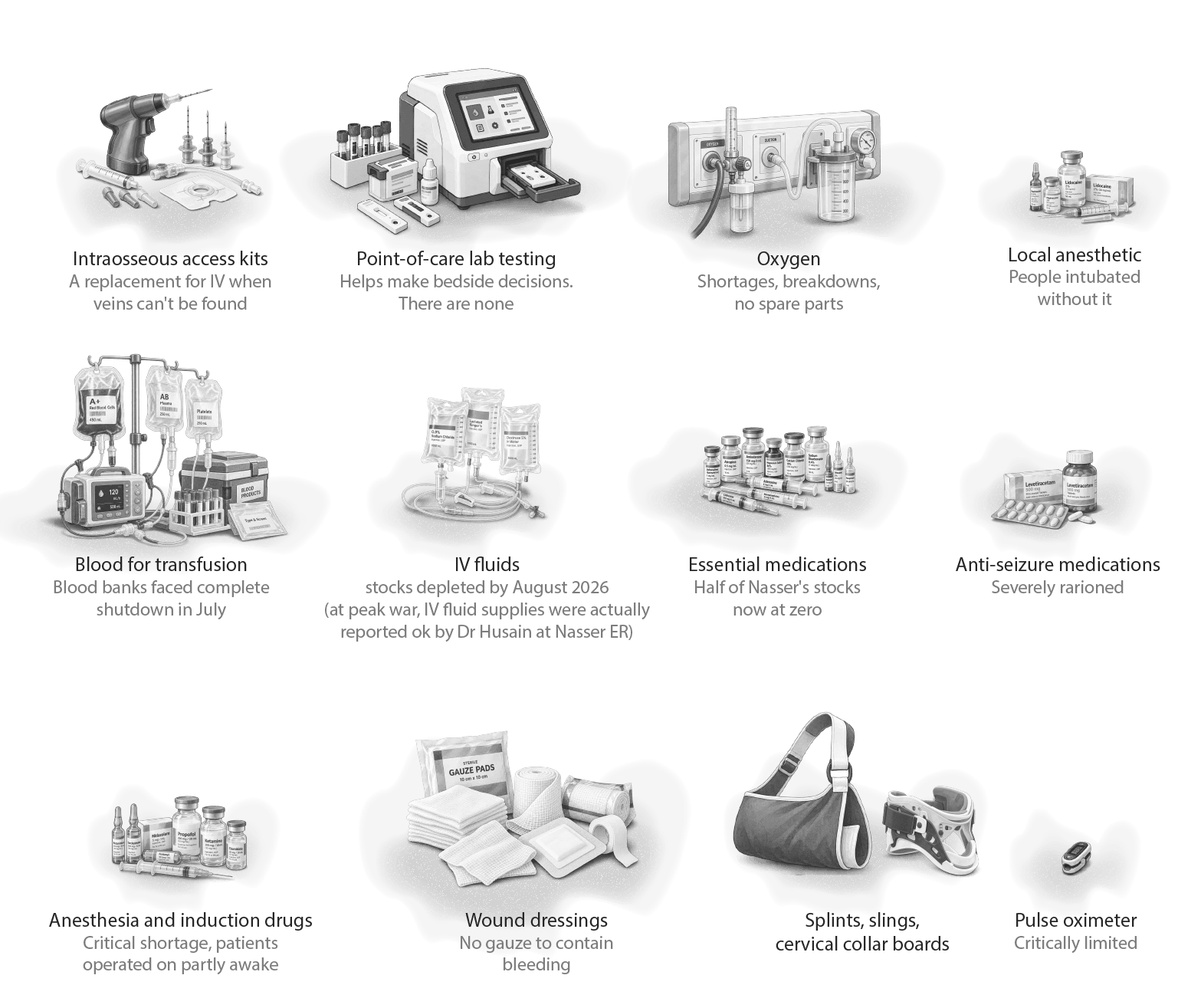
What Gaza's emergency rooms lack
The graphic below shows some of the essential supplies that doctors at Nasser Hospital are still working without as of September 2026.
After the child is stabilised, they are taken to radiology for scans to see what is happening internally.
Nasser Hospital
Radiology
When doctors cannot see what they are treating
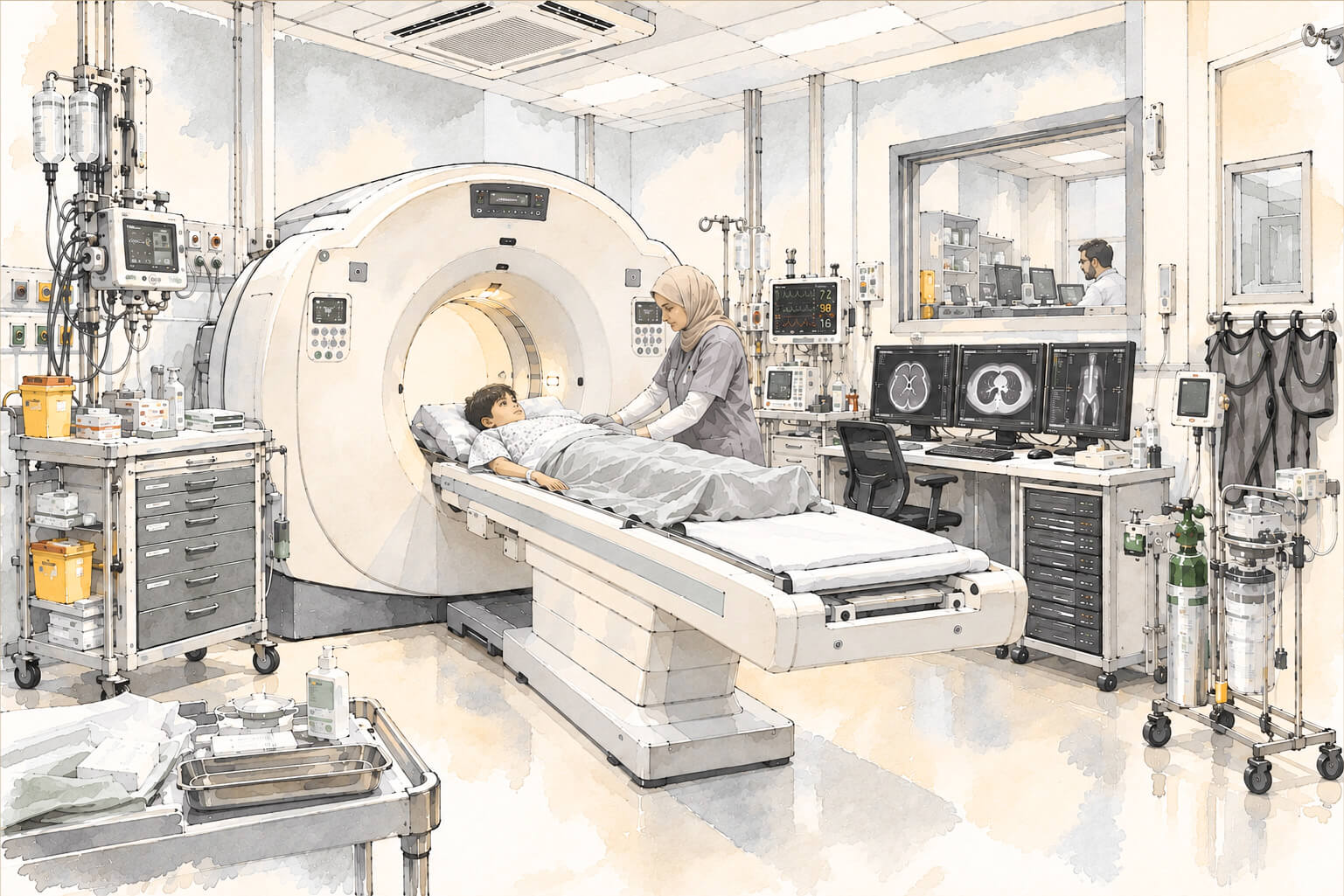
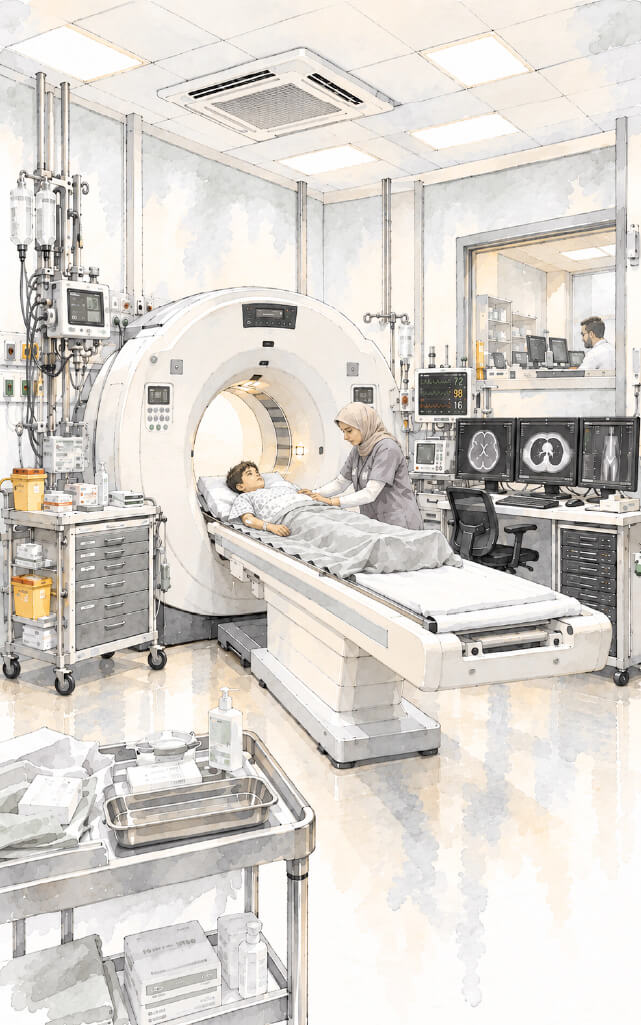
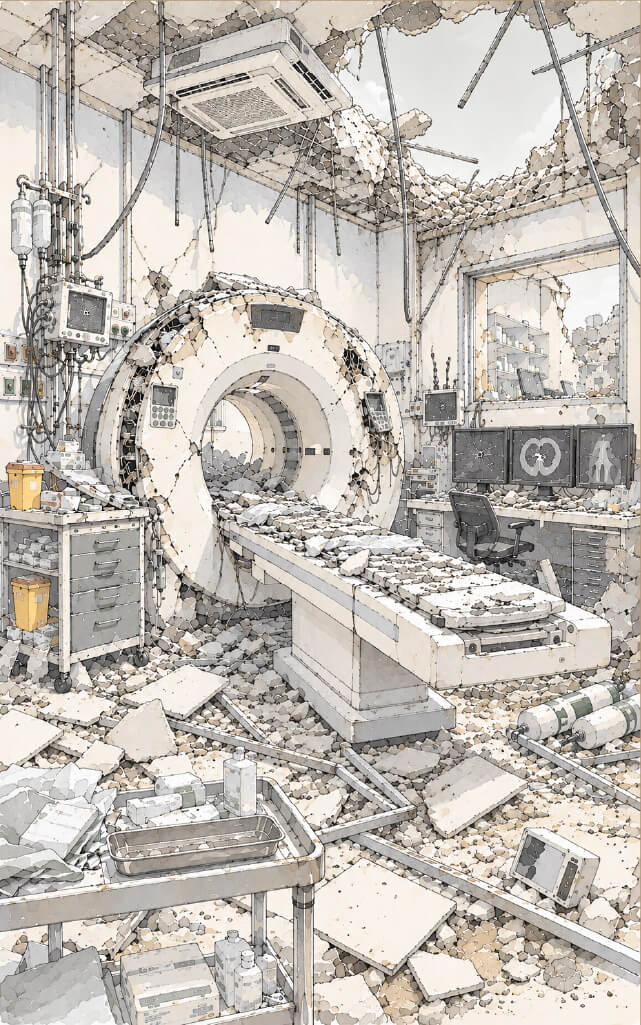
Diagnostic radiology is essential to see internal trauma, find tumours and identify problems. Interventional radiology is where doctors use radiology machines to guide them in procedures like putting a stent in.
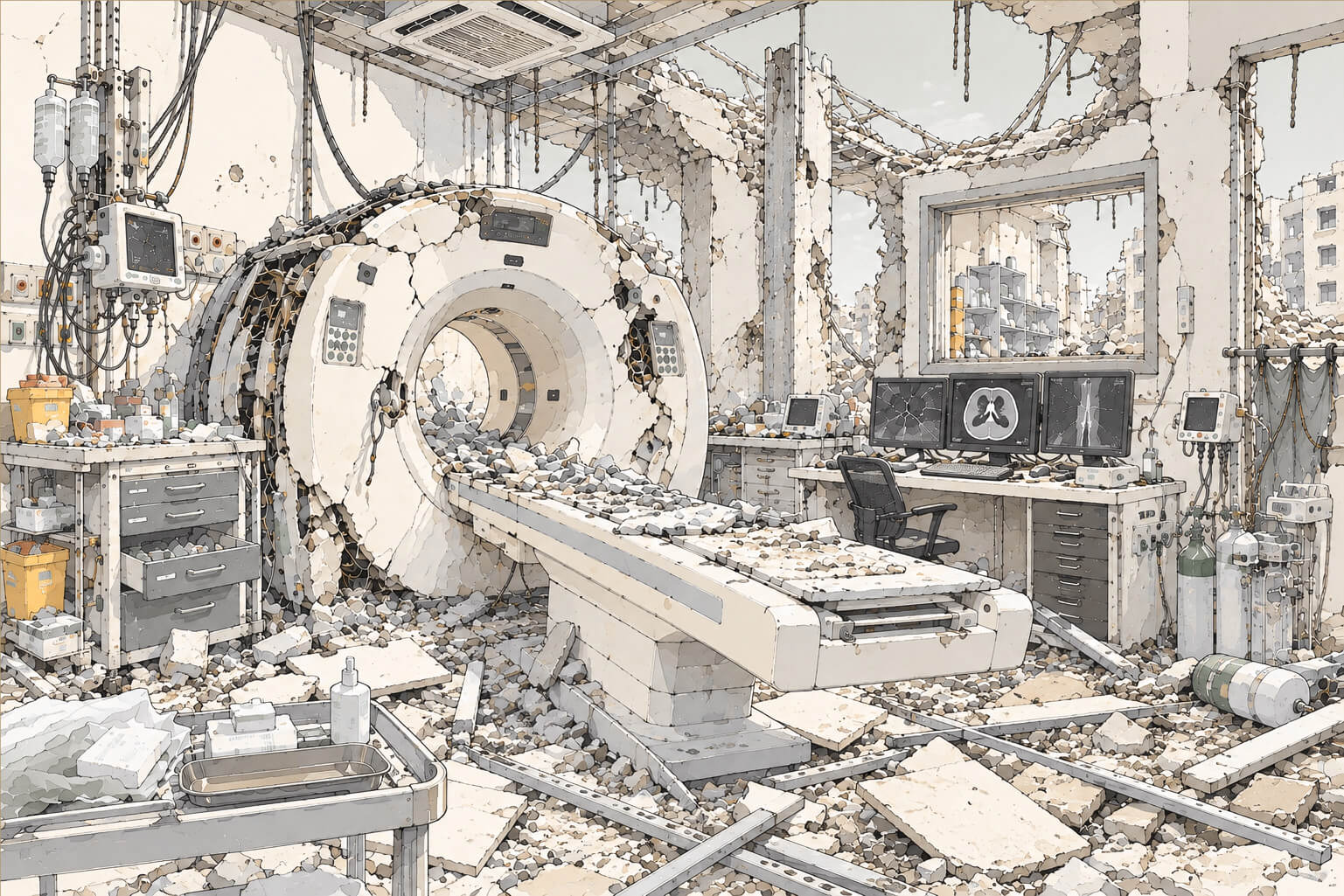
But Israel bombed Gaza's hospitals mercilessly, including radiology departments, like this one at al-Shifa Hospital.
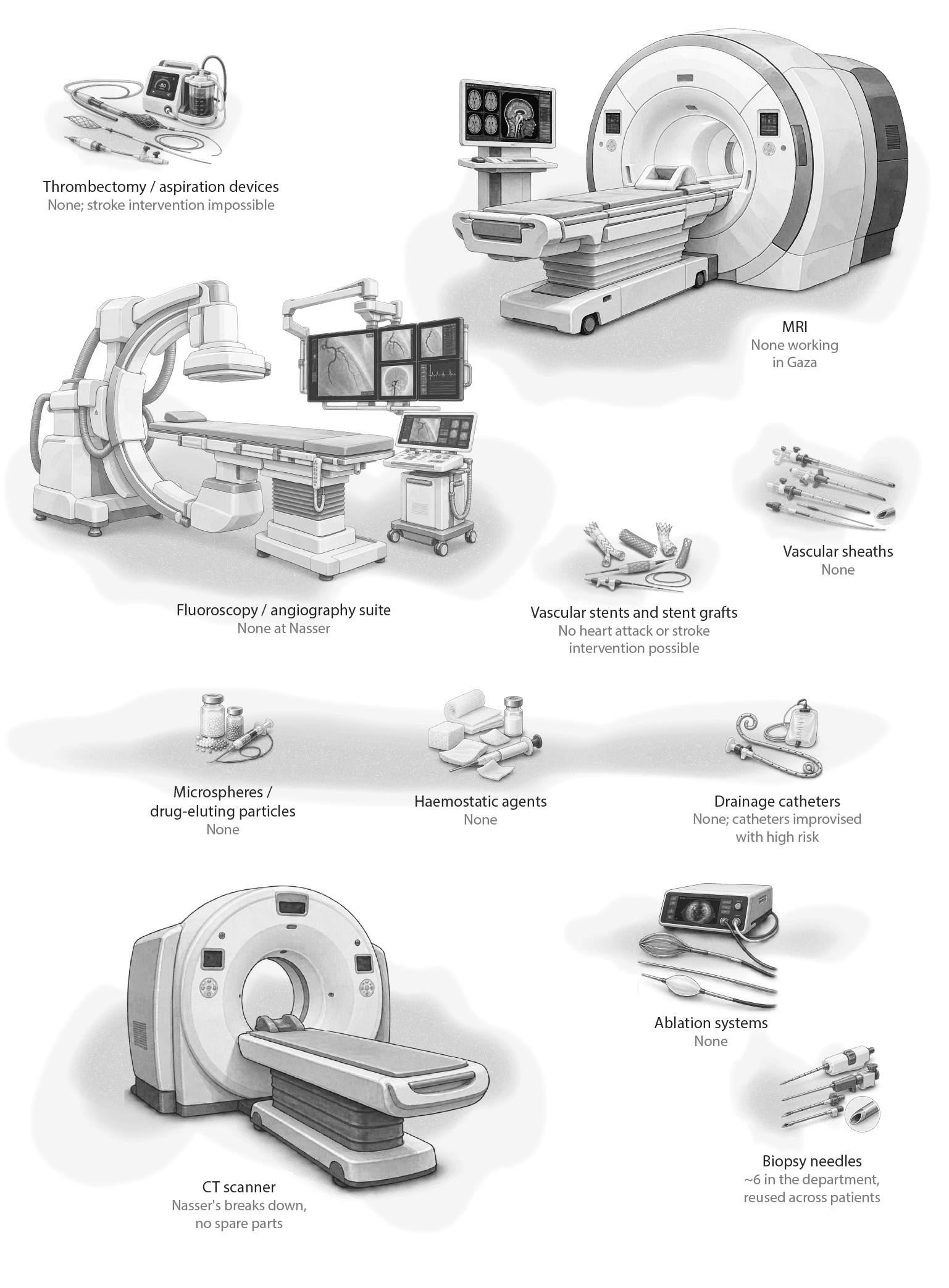
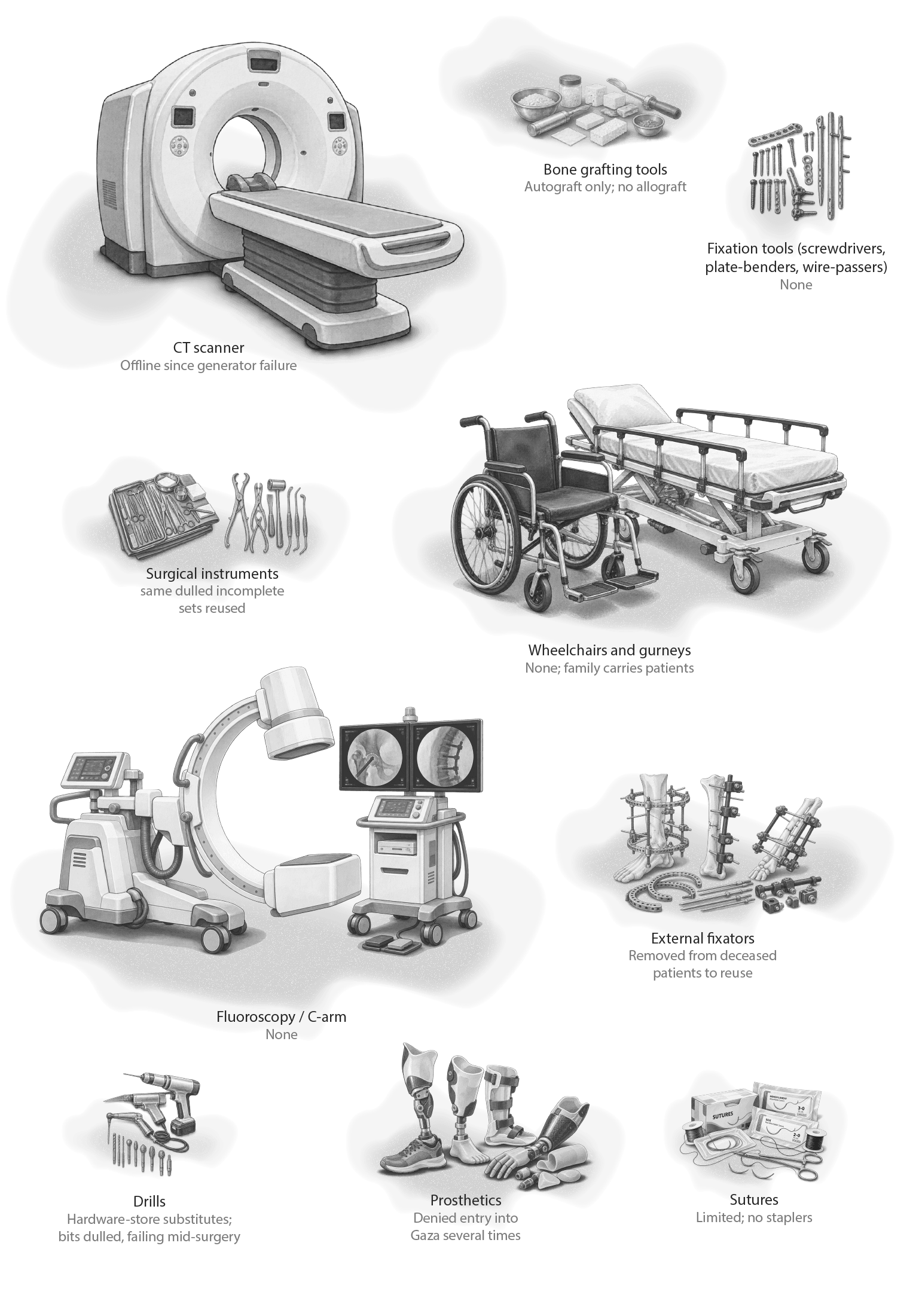
What is missing from Gaza's radiology departments?
The equipment shown here represents some of the essential items reported as unavailable at Nasser Hospital as of September 2026:
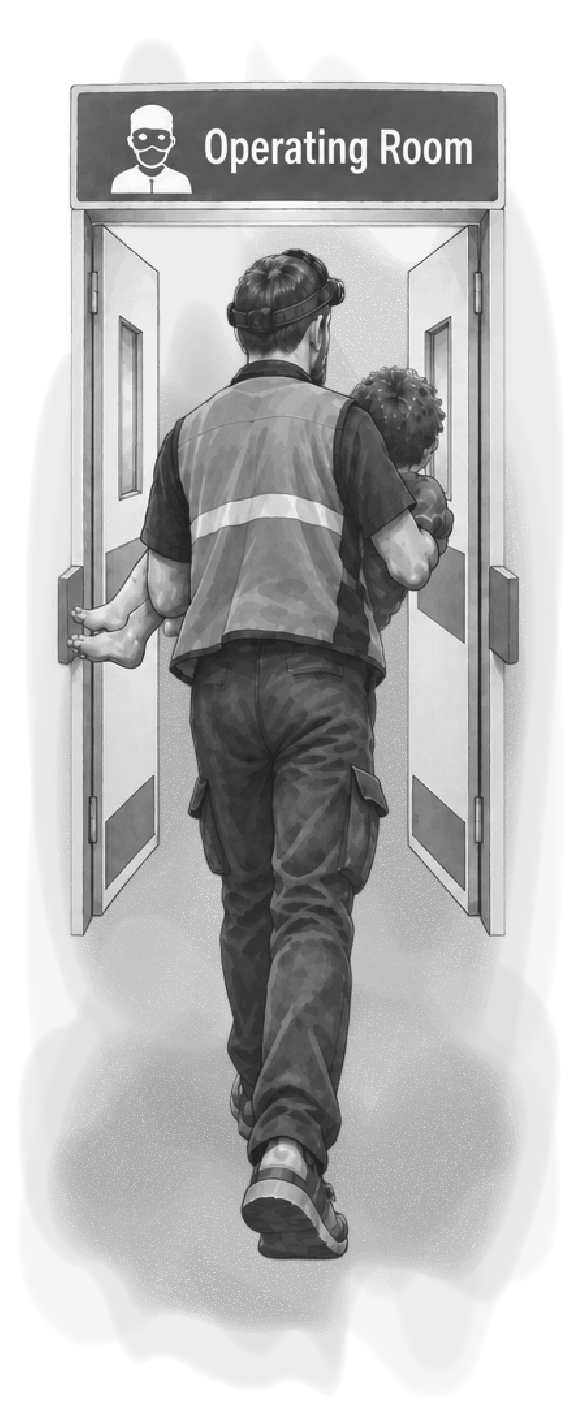
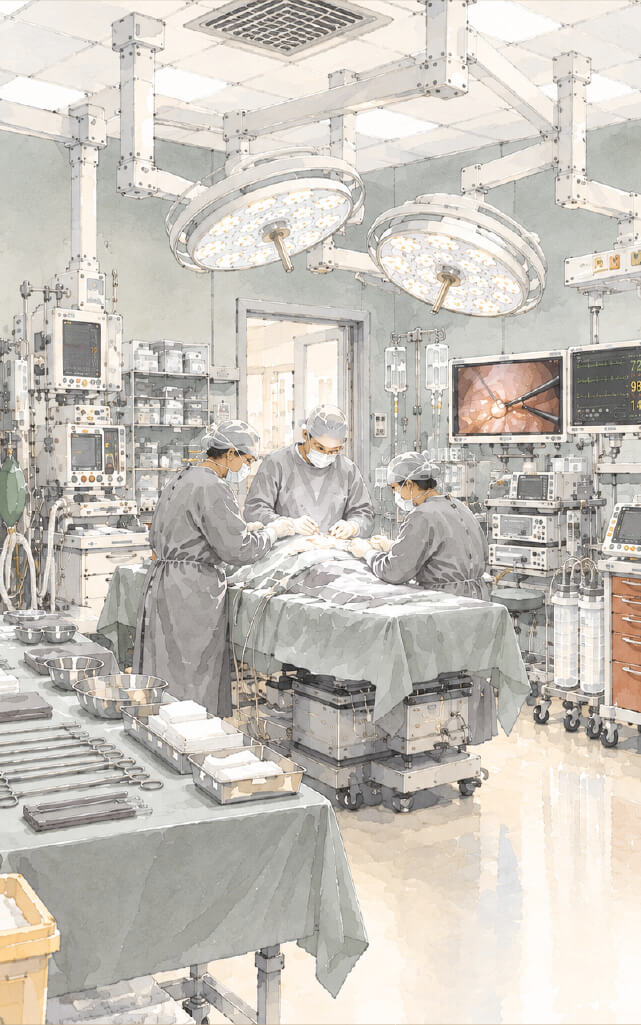
If the child needs surgery, they are taken to the operating room, which should be sterile, well-lit and well-equipped.
Al-Ahli Hospital
Operating room
What a fully equipped operating room should contain
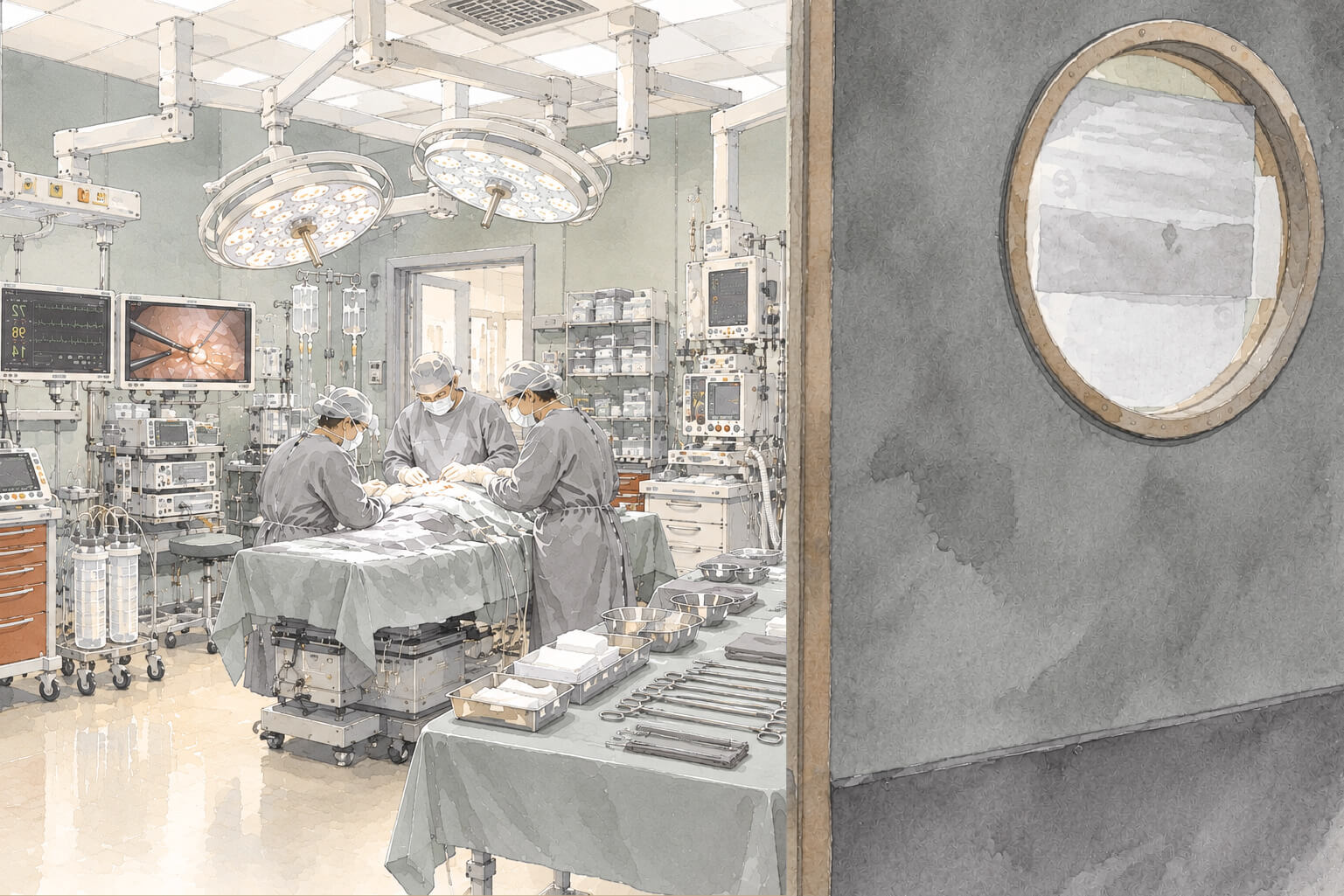
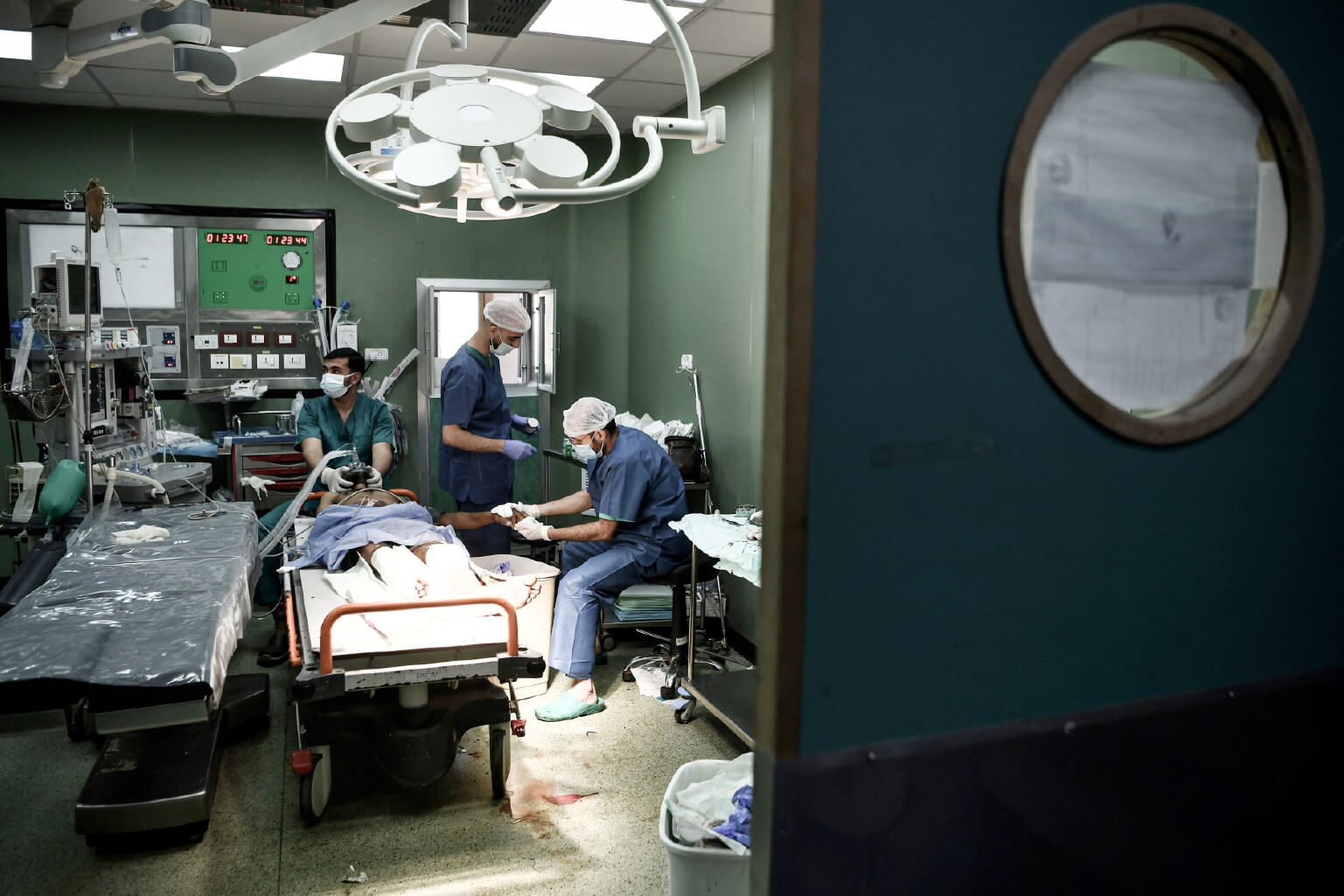
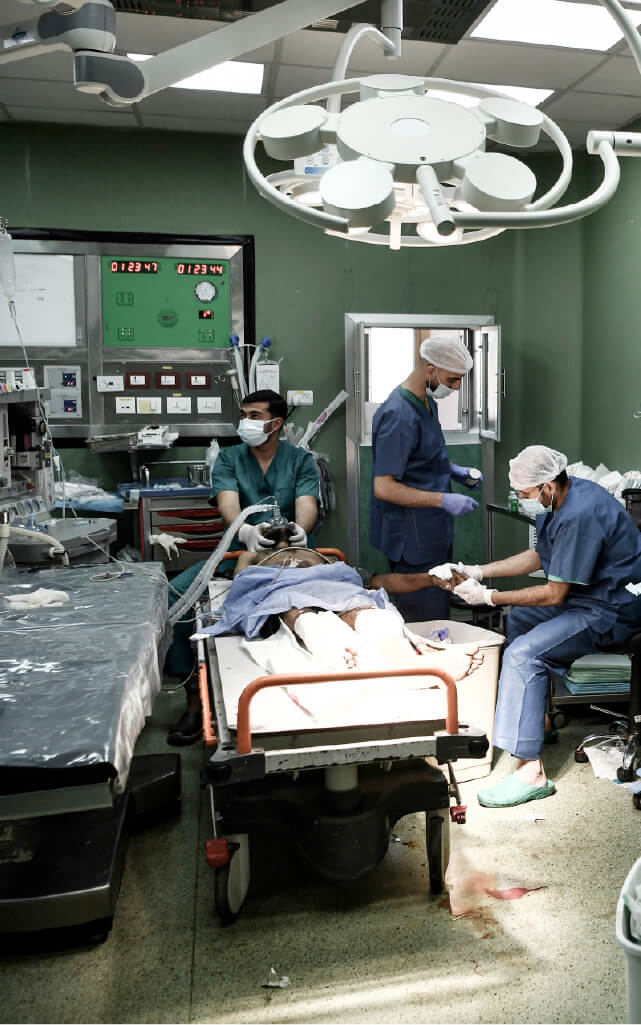
But this is the reality of operating rooms in Gaza - ill-equipped, badly lit, chaotic at the time of mass-casualty events.
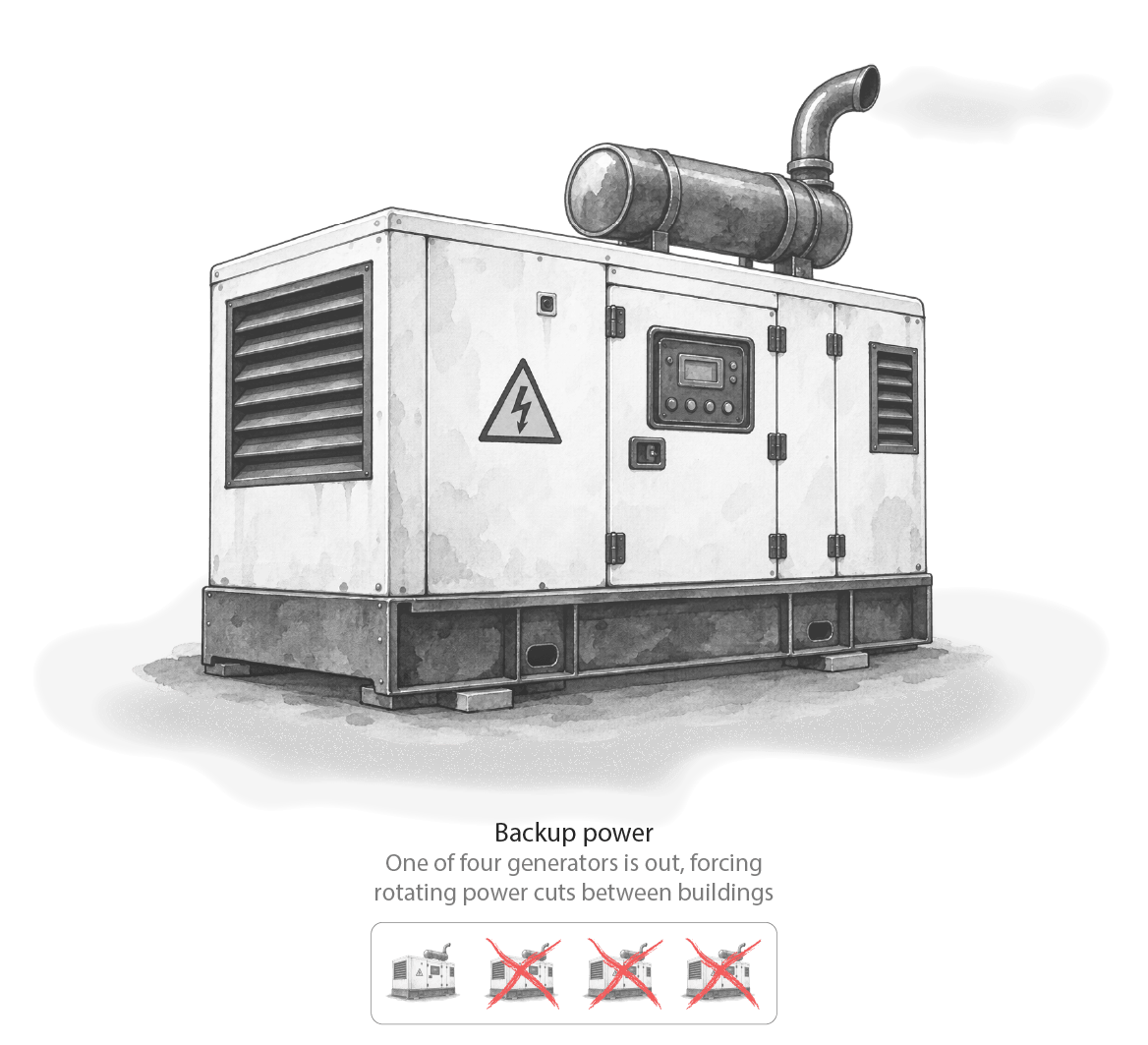
The most basic things would run out, even electricity. Israel has bombed Gaza's power infrastructure several times, and generators often sit silent because Israel prevents the import of fuel to run them.
Even casts and splints, the simplest tools to help people whose bodies had been shattered.
Doctors struggled with the shortage, and even when donations came in, mismatched equipment posed its own challenges.
What's missing from Gaza's operating rooms?
These are some of the crucial items that al-Ahli Hospital's operating rooms still lacked as of September 2026.
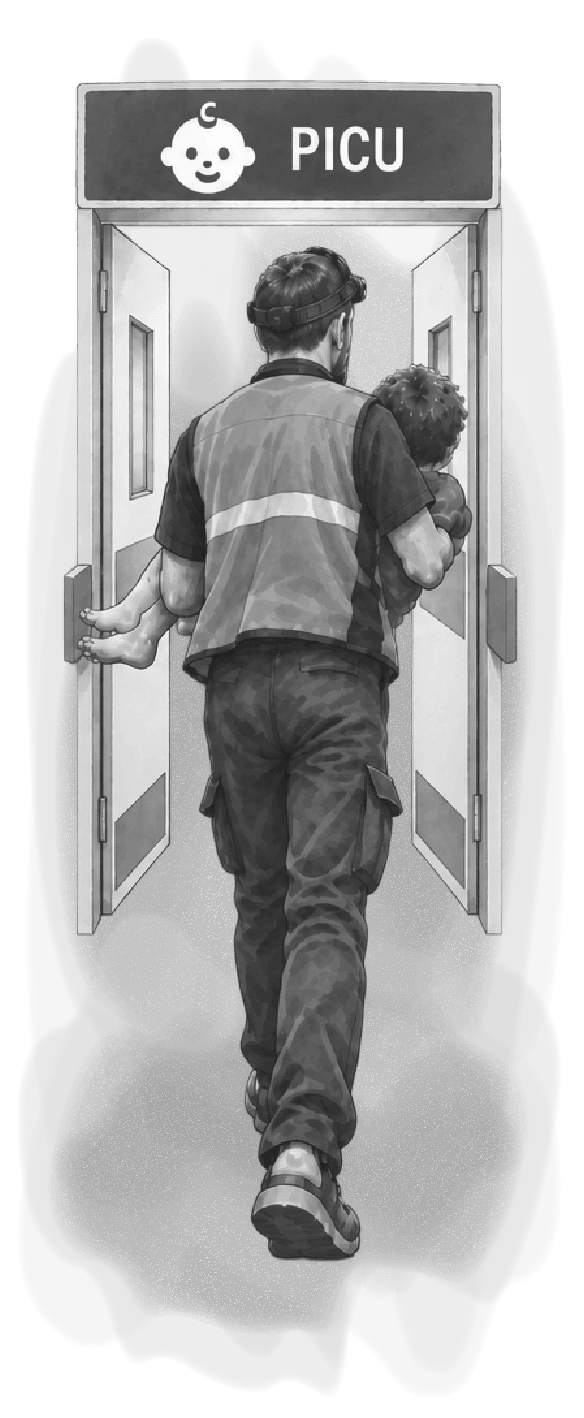
A child who needs special attention to help them get better is taken to a paediatric intensive care unit.
Nasser Hospital
Paediatric ICU
What the smallest and most vulnerable patients are deprived of
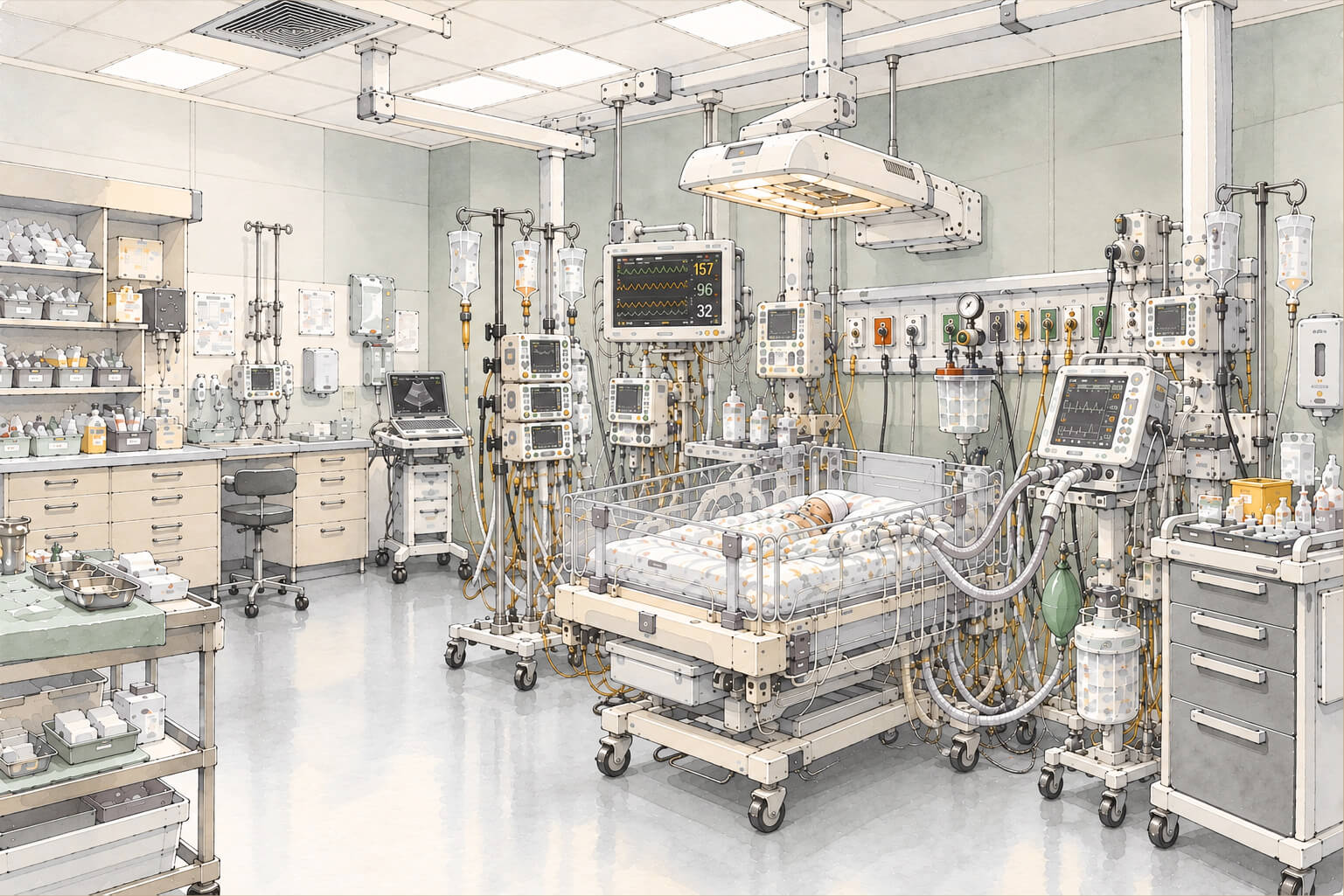
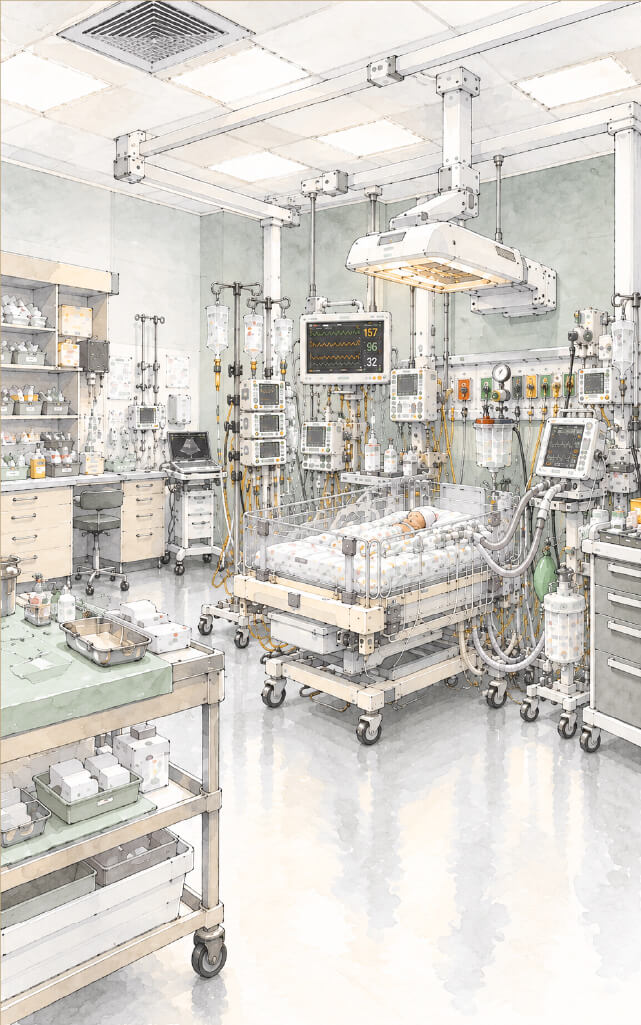
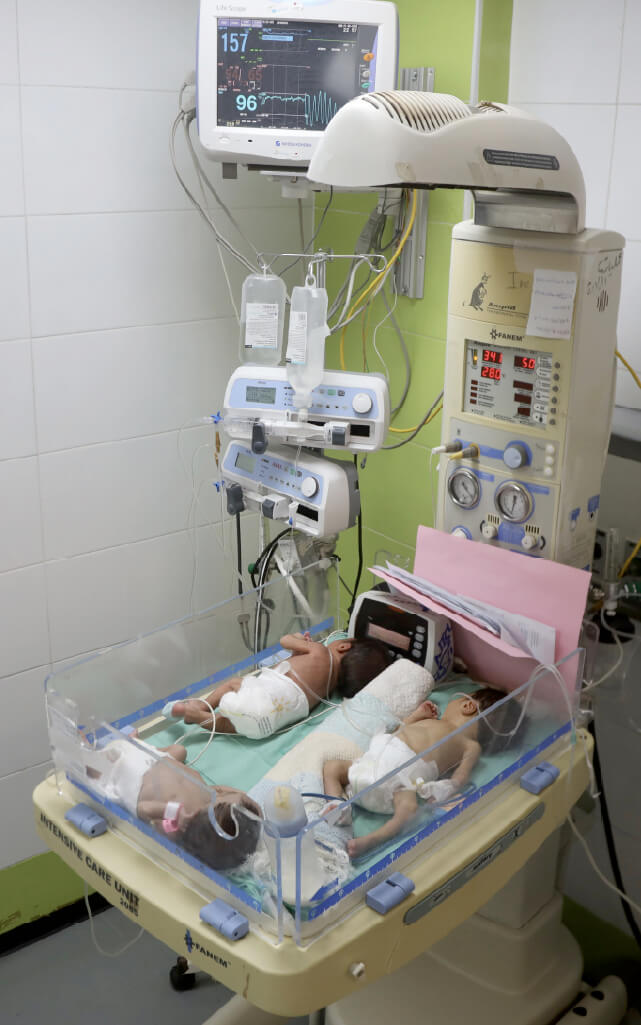
The ICU needs specialised monitoring and life support equipment, as well as critical fluids and numerous other supplies.
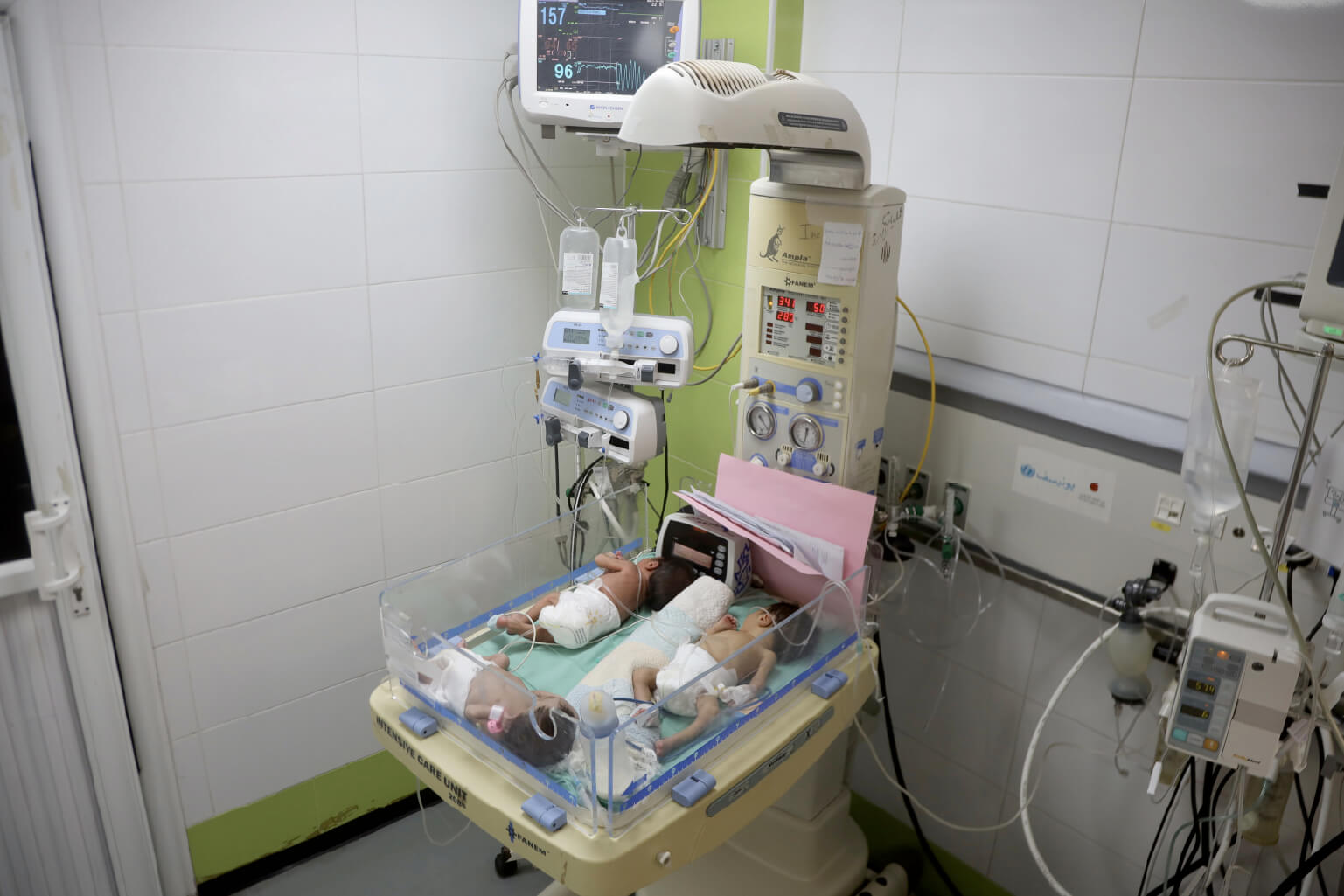
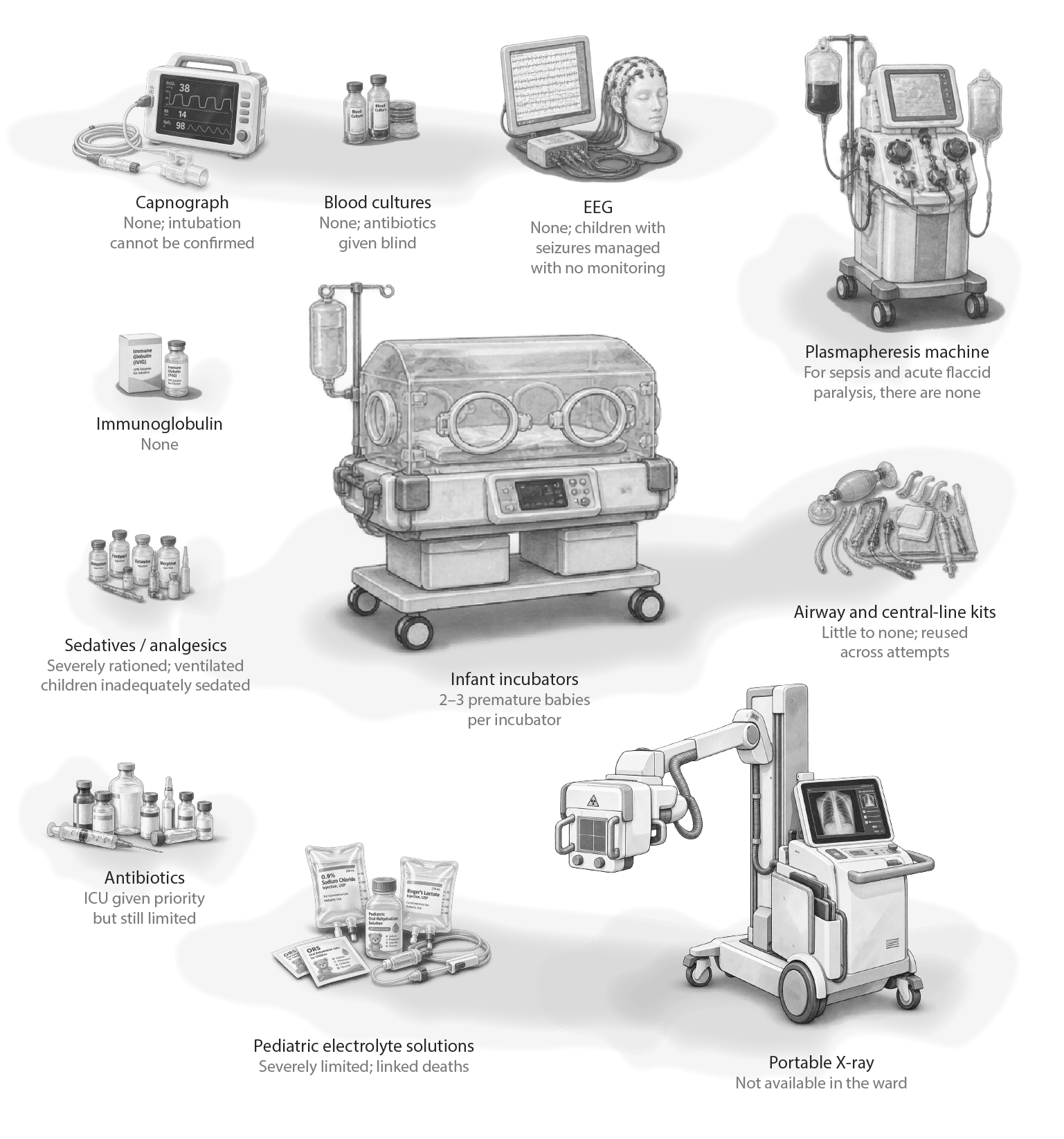
Paediatric ICUs in Gaza are nowhere near that. Premature babies are sleeping three to an incubator.
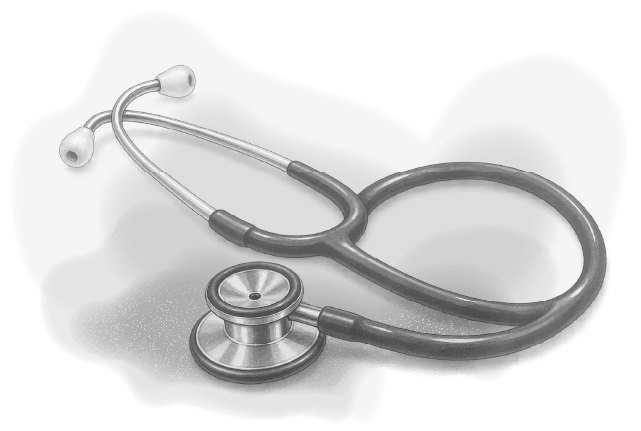
Equipment is so lacking that, at one point, Nasser Hospital's paediatric ICU had only one stethoscope.
They also do not have baby formula, only a tiny amount of specialised formula for severe cases.

What's missing from Gaza's paediatric ICUs?
These are some of the things Nasser Hospital's paediatric ICUs still lacked as of September 2026.
The information for this piece was gathered from doctors who worked in Gaza at different times during Israel's genocidal war on Gaza.
While the numbers have varied over time, Israeli-enforced shortages and deliberate attacks on hospitals and medics have persisted.
Our most recent check with Nasser Hospital, in September, revealed that the situation has not improved, despite the so-called "ceasefire" that took effect in October 2025.
Al Jazeera contacted the Israeli military and COGAT, the Israeli body that controls the entry of goods into Gaza, for comment on the attacks on hospitals and the restrictions on medical supplies, but had not received a response at the time of publication.